

Where your beans actually come from
Chocolate has a dark side that most labels hide. In West Africa, cacao demand drives massive deforestation, and many farmers still live in poverty despite the industry's wealth. Even 'Fair Trade' logos don't guarantee a clean supply chain. Sustainability is a messy spectrum, not a badge you buy at the grocery store.
Knowing where your cacao beans come from is the first step towards making a more informed and ethical choice. Ecuador, for example, is known for its Nacional cacao, prized for its floral aroma, but faces pressure from changing land use. Ghana provides a large percentage of the world’s cacao, but farmers there often receive very low prices for their beans. Madagascar offers unique flavor profiles, but is vulnerable to climate change impacts. Each region presents its own unique set of challenges.
Certifications like Fair Trade, Rainforest Alliance, and UTZ are helpful guides, but they aren't perfect. They offer some assurance of better labor practices and environmental standards, but auditing can be inconsistent and doesn't always address all the complexities. The Rainforest Alliance, for instance, has faced criticism for its standards being too lenient. Truly sustainable chocolate making requires going beyond these labels and actively seeking out producers committed to long-term ecological and social responsibility. Look for farms that emphasize agroforestry—integrating trees into cacao farms—which helps restore ecosystems.
Direct trade relationships, where chocolate makers buy directly from farmers, bypassing intermediaries, can be a powerful way to ensure fair prices and support sustainable farming practices. These relationships often involve long-term contracts and investments in farmer training and community development. It’s about building partnerships, not just transactions. Ultimately, a more sustainable chocolate future depends on increased transparency and a willingness to pay a premium for ethically sourced cacao.
Finding raw cacao
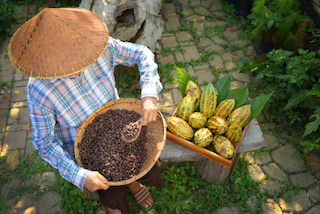
Once you’re committed to sustainable sourcing, the next step is finding where to buy the actual cacao beans. Fortunately, the availability of unprocessed cacao for home use has increased significantly in recent years. Several direct-trade importers now ship directly to consumers, offering a wider range of origins and varieties than ever before. Companies like Harvest Chocolate (harvestcraftchocolate.com) are a good example of a craft chocolate provider.
Online retailers specializing in ethical sourcing are also a great option. Look for suppliers who clearly state their sourcing practices and provide information about the farms they work with. Some even offer detailed profiles of the farmers and their communities. Expect to pay more for beans sourced from these kinds of suppliers, but the ethical and quality benefits are worth it. A 2023 report from the World Cocoa Foundation indicated that direct trade cacao beans cost, on average, 20-30% more than conventionally sourced beans.
There are three main cacao bean varieties: Criollo, Forastero, and Trinitario. Criollo is considered the highest quality, with a delicate flavor profile, but it’s also the rarest and most expensive. Forastero is the most widely grown variety, known for its robust flavor. Trinitario is a hybrid of Criollo and Forastero, offering a balance of flavor and yield. The cost differences can be substantial; a pound of Criollo beans might cost $15-20, while Forastero could be closer to $8-12.
Roasting and cracking without the trash
Roasting cacao beans is where the magic truly begins, transforming them from their raw state into the flavor precursors we recognize as chocolate. For a truly zero-waste approach, consider energy efficiency. While dedicated cacao roasters are available, oven roasting is a viable option, especially for smaller batches. Use convection settings and monitor the temperature closely to avoid scorching. Reusing baking sheets or roasting pans is key to minimizing waste.
Proper ventilation is critical during roasting. Cacao beans release chaff and odors that can be irritating and even harmful. Roast in a well-ventilated area or outdoors. After roasting, you'll need to crack the beans to remove the husks. A simple rolling pin or even your hands can work for small batches. Save those husks! They can be brewed into a delicious cacao nib tea, added to garden mulch for added nutrients, or composted.
The husks are a surprisingly versatile byproduct. Composting them adds valuable nitrogen to your soil, and using them as mulch helps retain moisture and suppress weeds. Even the chaff can be added to compost. It’s about recognizing that there’s value in every part of the cacao bean. Minimizing waste isn’t just about being environmentally conscious; it also honors the resources and labor that went into growing the beans.
The low-tech path: stone grinding
Electric melangers are common for refining chocolate, but they consume a significant amount of energy. Stone grinding offers a sustainable, low-tech alternative. This traditional method involves using two stones to grind the cacao nibs into a smooth paste. It’s labor-intensive, yes, but it requires minimal electricity and connects you more directly to the chocolate-making process.
You can build a stone grinding setup yourself or buy one ready-made. You need two hard, flat stones that can rotate against each other. Granite and basalt are the best bets because they are durable and food-safe. Some people use marble, though it's softer and might wear down into your chocolate over time.
The benefits extend beyond energy savings. Stone grinding imparts a unique texture and flavor to the chocolate, different from that achieved with a melanger. It’s a slower process, taking several hours or even days to achieve the desired fineness, but it allows for greater control over the texture. Be prepared for a workout—it's physically demanding! It’s a return to a more ancient and deliberate way of making chocolate.
Refining Without Electricity
Refining is the process of reducing the particle size of the chocolate liquor, resulting in a smoother texture. Electric melangers achieve this through prolonged grinding. Without electricity, the challenge is greater, but not insurmountable. Manual refining techniques require patience and effort. A traditional mortar and pestle can be used, but it’s a slow and laborious process.
Adapted hand-powered mills, like those used for grinding grains, can also be employed. These require significant physical exertion but can achieve a finer particle size than a mortar and pestle. The key is to apply consistent pressure and grind for extended periods. Achieving the same level of refinement as an electric melanger is difficult, but it's possible to create delicious, albeit slightly textured, chocolate.
Refining time directly impacts texture and flavor. Longer refining times generally result in a smoother texture, but can also diminish some of the delicate flavor notes. It’s a balancing act. Experiment with different refining times to find what works best for your setup and preferences. This stage requires dedication, but it's a testament to the commitment to a truly zero-waste process.
Choosing ethical sweeteners
The sweetener you choose significantly impacts the sustainability of your chocolate. Organic cane sugar is a common choice, but consider the environmental impact of sugarcane farming. Coconut sugar offers a lower glycemic index and is often produced more sustainably, but transportation costs can be higher. Maple sugar is another excellent option, especially if sourced locally. Honey, if sourced responsibly from a local beekeeper, can also be used.
White sugar is heavily processed with chemicals and high energy loads. I prefer unrefined sugars like muscovado or turbinado. They keep their natural molasses notes and nutrients, which adds depth to the bar while skipping the industrial refining process.
When it comes to flavorings and additives, opt for natural and sustainably sourced ingredients. Spices, fruits, and nuts can add complexity and depth to your chocolate. Avoid highly processed or artificial ingredients. Supporting local farmers and producers is a great way to ensure ethical sourcing. A little consideration goes a long way.
Cutting out packaging waste
Packaging is often the biggest source of waste in the chocolate industry. For a zero-waste approach, prioritize reusable containers. Glass jars, metal tins, and even beeswax wraps are excellent options. Compostable wrappers made from plant-based materials are also available, but ensure they are truly compostable in your local facilities. Finding truly sustainable packaging is a challenge; many "biodegradable" materials require industrial composting facilities, which aren't always accessible.
Reducing waste extends beyond packaging. Consider using reusable molds and tools throughout the entire process. Repurpose leftover cacao husks for tea or gardening. Donate any excess cacao nibs or chocolate to friends and family. Get creative with repurposing materials. Innovative packaging solutions, like mushroom packaging, are emerging, but are still relatively expensive and not widely available.
A simple checklist can help guide your packaging choices: Can it be reused? Is it compostable in my area? Is it made from recycled materials? Is it minimal? By prioritizing these questions, you can significantly reduce the environmental impact of your homemade chocolate. It’s about making conscious choices at every stage of the process.
- Can it be reused?
- Is it compostable in my area?
- Is it made from recycled materials?
- Is it minimal?



No comments yet. Be the first to share your thoughts!