

Beyond Dark: Vegan Chocolate's 2026 Evolution
Chocolate started as a bitter beverage in ancient Mesoamerican cultures, a complex journey from cacao bean to consumable product rooted in centuries of tradition, as Gregory Owen detailed in his 2013 paper, "How Chocolate is Made." Today, the world of chocolate is changing. Plant-based alternatives aren't just about replacing dairy; they're about innovation, creating new flavor profiles and textures that stand on their own.
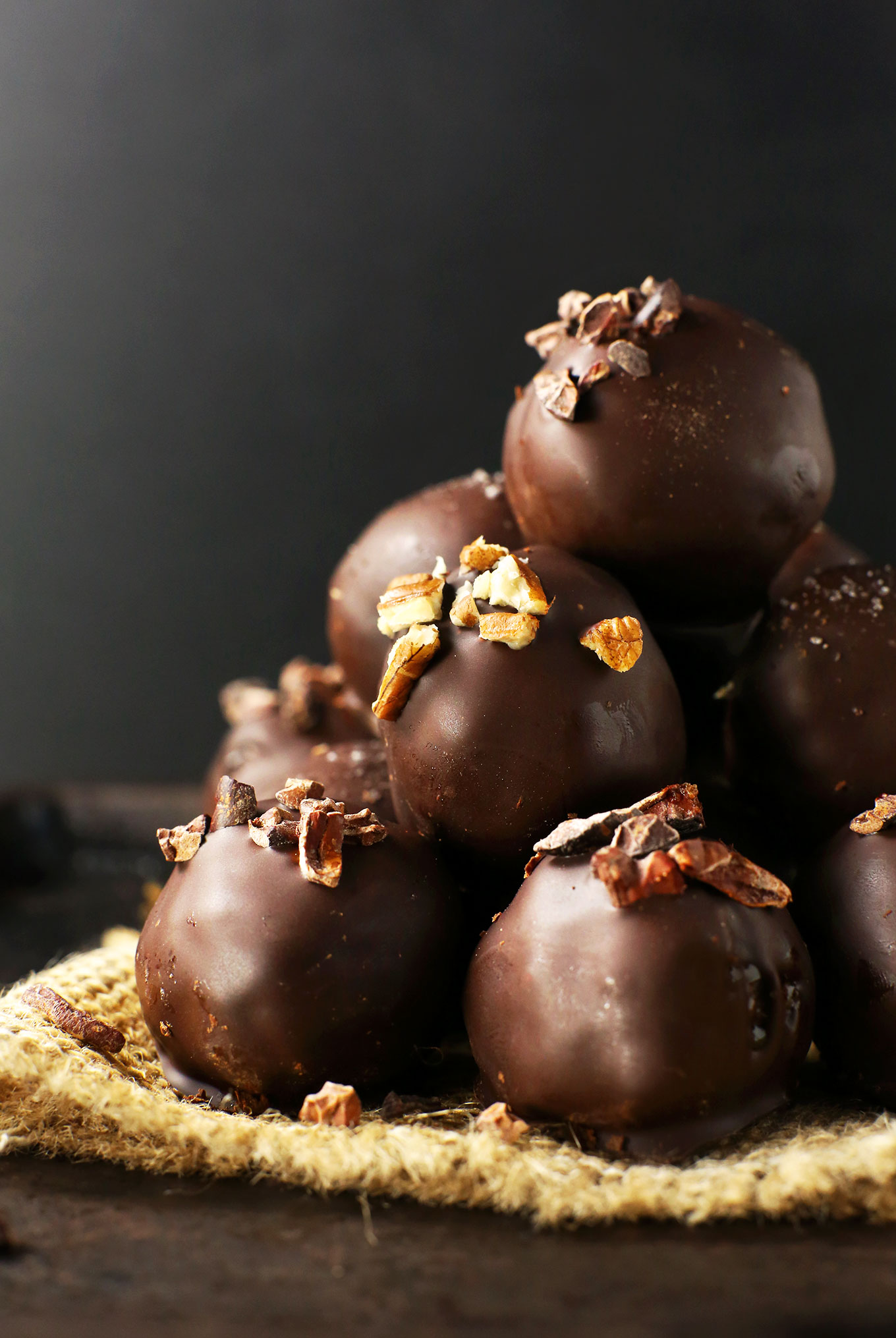
Vegan chocolate used to mean darker, less sweet options. That's shifting rapidly. Chocolatiers and home bakers are showing a surge in creativity, driven by ethical sourcing, sustainability, and a desire for truly delicious chocolate. By 2026, the vegan truffle won't be a compromise; it will be a destination. We'll move past replicating milk chocolate with plant-based milks and embrace the unique possibilities plant-based ingredients offer.
This article explores that evolution, offering a glimpse into the recipes, techniques, and flavor combinations defining the vegan truffle in the coming years. Expect recipes that aren’t just "good for vegan chocolate," but simply amazing chocolate, period. You'll learn how to create truly exceptional plant-based truffles at home.
The Bean-to-Bar Shift: Plant-Based Focus
A growing movement in the vegan chocolate world is “bean-to-bar” production, where makers control the entire process from sourcing cacao beans to crafting the final truffle. Videos like "How To Make Everything" on YouTube, documenting cacao harvesting in Chiapas, Mexico, highlight the origins of this incredible ingredient and remind us how far removed many of us are from the source.
This control is especially important for vegan chocolate, allowing producers to ensure ethical sourcing and avoid exploitative or environmentally harmful practices. It also directly impacts flavor and quality. Carefully selecting cacao varieties, controlling fermentation and drying, and roasting beans to perfection are crucial for developing complex flavors. Venchi’s cocoa processing explanation details the steps for creating quality chocolate.
Finding truly ethical and sustainable vegan cacao is a challenge. Many farms still use conventional agricultural practices, and ensuring fair labor standards requires diligent sourcing. Fermentation, drying, and roasting require careful attention in plant-based recipes. For example, fermentation, which develops key flavor compounds, may need adjustment based on cacao variety and desired profile. Roasting must be controlled to prevent burning and preserve delicate aromas.
Base Ingredients: Beyond Cocoa Butter
Traditional truffle fillings rely heavily on dairy—cream, butter, and milk chocolate. Replicating that richness and texture in a vegan truffle requires careful consideration of alternative fats. Coconut cream is a popular choice, offering good fat content and a subtle flavor that complements chocolate well, though it can impart a noticeable coconut taste.
Avocado offers a creamy texture and healthy fats, but requires perfectly ripe fruit to avoid off-flavors. Cashew cream, made by blending soaked cashews, delivers a neutral flavor and silky smooth texture, though it’s more labor-intensive. Other plant-based fats like cocoa butter, shea butter, and certain vegetable oils can be used, but often require blending for the right consistency.
None of these substitutes perfectly replicate the experience of a dairy-based truffle. Coconut cream can be too sweet, avocado subtle, and cashew cream sometimes heavy. The key is choosing the base that best complements the other flavors and preparing it properly, ensuring it’s smooth and emulsified before adding chocolate.
- Coconut Cream: Readily available, imparts a subtle flavor. Can have a noticeable coconut taste.
- Avocado: Creamy texture, healthy fats. Requires perfectly ripe avocados, potential for off-flavors.
- Cashew Cream: Pros – neutral flavor, silky smooth texture. Cons – more labor-intensive to prepare.
Plant-Based Alternatives to Dairy in Vegan Truffle Making
| Ingredient | Flavor Profile | Texture Contribution | Cost | Sustainability |
|---|---|---|---|---|
| Coconut Cream | Distinct coconut flavor, can be masked with strong chocolate percentages. | Creates a smooth, creamy texture; can be softer than dairy-based ganache. | Medium | 3 stars - Production can have environmental impacts related to land use and water consumption, but generally lower than dairy. |
| Avocado | Very subtle flavor when used correctly, best suited for dark chocolate truffles. | Contributes to an exceptionally creamy and rich texture. High fat content mimics dairy well. | Medium | 4 stars - Generally considered sustainable due to lower water requirements and potential for local sourcing. |
| Cashew Cream | Neutral flavor, allowing the chocolate to shine. | Provides a very smooth and firm texture, excellent for shaping and coating. | Medium to High | 3 stars - Cashews require significant water for cultivation, raising sustainability concerns in some regions. |
| Cocoa Butter | Mild chocolate flavor, enhances existing chocolate notes. | Crucial for truffle structure and snap; provides a firm, melt-in-your-mouth texture. | High | 3 stars - Sourcing practices vary; look for ethically sourced options to ensure sustainability. |
| Shea Butter | Subtle nutty flavor, best paired with complementary chocolate profiles. | Adds a unique creamy texture and can contribute to a longer shelf life. | High | 4 stars - Often sourced through fair trade practices, supporting local communities and sustainable harvesting. |
Illustrative comparison based on the article research brief. Verify current pricing, limits, and product details in the official docs before relying on it.
2026's Top 5 Vegan Truffle Recipes
These recipes are based on current flavor trends, ingredient availability, and conversations with chocolatiers pushing the boundaries of plant-based confectionery. Each is designed to be approachable for home bakers, with a sophisticated flavor profile.
Spicy Chili Chocolate Truffle: Inspired by the Oaxacan tradition of mole, this truffle balances the richness of dark chocolate with the warmth of chili peppers and a hint of cinnamon. Ingredients: 8 oz vegan dark chocolate, 1/2 cup coconut cream, 1 tbsp chili powder, 1 tsp cinnamon, pinch of cayenne pepper. Instructions: Melt chocolate. Whisk in coconut cream, chili powder, cinnamon, and cayenne. Pour into molds and chill. Variations: Add a pinch of smoked paprika for extra depth.
2026's Top 5 Vegan Truffle Recipes (Continued)
Lavender Honeycomb Truffle: A delicate balance of floral and sweet, this truffle features a crunchy honeycomb center and a subtle lavender infusion. Ingredients: 8 oz vegan white chocolate, 1/4 cup cashew cream, 1 tbsp lavender-infused honey (vegan), 1/2 cup vegan honeycomb. Instructions: Melt white chocolate. Stir in cashew cream and lavender honey. Fold in crumbled honeycomb. Chill and form into truffles. Variations: Use different floral infusions like rose or chamomile.
Salted Caramel Truffle: A classic flavor combination, elevated with a silky smooth vegan caramel and a sprinkle of sea salt. Ingredients: 8 oz vegan milk chocolate, 1/2 cup vegan caramel sauce, 1 tbsp coconut oil, sea salt flakes. Instructions: Melt chocolate and coconut oil. Stir in caramel sauce. Pour into molds and chill. Sprinkle with sea salt before setting. Variations: Add a hint of vanilla extract to the caramel.
Matcha White Chocolate Truffle: The earthy notes of matcha perfectly complement the sweetness of white chocolate. Ingredients: 8 oz vegan white chocolate, 1/4 cup coconut cream, 2 tbsp matcha powder. Instructions: Melt white chocolate. Whisk in coconut cream and matcha powder. Pour into molds and chill. Variations: Dust with extra matcha powder before serving.
Black Sesame Truffle: A sophisticated and subtly nutty flavor profile that’s gaining popularity. Ingredients: 8 oz vegan dark chocolate, 1/4 cup black sesame paste, 2 tbsp coconut cream. Instructions: Melt chocolate. Stir in sesame paste and coconut cream. Pour into molds and chill. Variations: Sprinkle with black sesame seeds before setting.
Troubleshooting Common Vegan Truffle Issues
Vegan truffle making can present unique challenges. One common issue is a grainy texture, often caused by improperly tempered chocolate or the separation of fats. Proper tempering is critical – use a chocolate tempering machine or a reliable tempering method. Another problem is difficulty setting; ensure your truffles are chilled thoroughly and for a sufficient amount of time.
Separation, where the fats separate from the solids, can be prevented by using a high-quality emulsifier, like sunflower lecithin. Bland flavor is also a frequent complaint. Don’t be afraid to experiment with natural extracts, spices, and high-quality cacao. Blooming, the white film that sometimes appears on chocolate, is caused by temperature fluctuations. Store your truffles in a cool, dry place.
Finally, if your truffles are too soft, consider adding a small amount of cocoa butter to the recipe. If they're too hard, a touch of coconut oil can help. The key is to adjust the ratio of fats to achieve the perfect consistency. Don’t be discouraged by initial failures; practice and experimentation are the best teachers.
Flavor Pairings: What's Trending Now
Beyond the classics, some exciting flavor pairings are emerging in the vegan chocolate world. Yuzu, a Japanese citrus fruit, offers a bright and aromatic counterpoint to dark chocolate. Black garlic, with its sweet and savory notes, adds a surprising depth of flavor. Smoked paprika provides a subtle smoky undertone that complements chili and spice combinations.
Floral infusions, like rose, jasmine, and violet, are also gaining traction, adding a delicate and sophisticated touch. I'm particularly excited about the growing interest in umami-rich pairings – think mushrooms, miso, and even seaweed. These unexpected combinations create a complex and satisfying flavor experience.
Experiment with these flavors, and don’t be afraid to push the boundaries. The beauty of vegan chocolate making is its flexibility and the opportunity to create truly unique and personalized treats.
Tools & Tech: Streamlining Your Process
While you can make delicious vegan truffles with basic kitchen tools, certain items can significantly streamline the process. A chocolate tempering machine ensures consistent results and saves time and effort. Silicone molds in various shapes and sizes make it easy to create professional-looking truffles. An immersion blender is invaluable for creating smooth and creamy fillings.
Temperature control is paramount in vegan truffle making. A digital thermometer is essential for accurately monitoring chocolate temperature during tempering and melting. Investing in quality tools can elevate your truffle-making game and make the process more enjoyable.
Ultimately, the most important tool is your creativity. Don't be afraid to experiment with different flavors, techniques, and ingredients to create truffles that are uniquely your own.



No comments yet. Be the first to share your thoughts!