

The TikTok Truffle Takeover
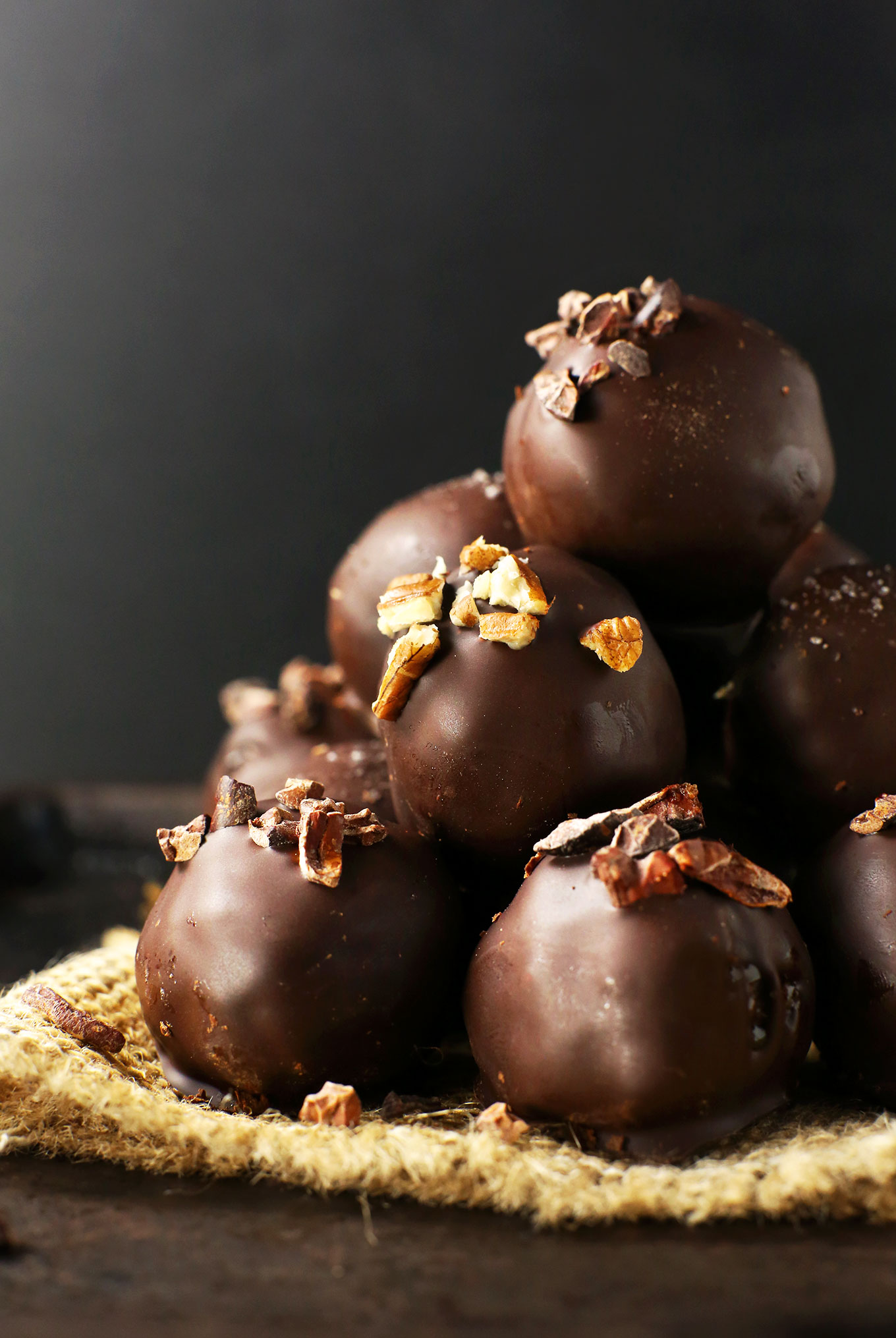
There’s a chocolate recipe currently dominating TikTok feeds, and it requires just three ingredients. It’s not hyperbole to say these truffles are everywhere. The original recipe, popularized by Tieghan Gerard of Half Baked Harvest, quickly spread, spawning countless variations and enthusiastic recreations. What started as a simple dessert has become a full-blown internet phenomenon.
The appeal is obvious: minimal effort, maximum indulgence, and a visually satisfying process. The recipe taps into a desire for accessible luxury – a decadent treat that doesn’t demand hours in the kitchen or specialized skills. But it's more than just ease; the act of rolling and coating the truffles is strangely mesmerizing, perfect for the short-form video format of TikTok.
This isn’t just about chocolate; it's about a shared experience. People are posting their successes (and occasional failures) with the hashtag #trufflechocolates, building a community around this simple recipe. It’s a reminder that sometimes, the most satisfying things in life are also the easiest to create. It's a perfect example of how a food trend can take off, fueled by social media and a collective craving for something sweet.

Decoding the 3-Ingredient Mystery
Let's break down the magic behind this recipe. The foundation is, of course, chocolate. Most variations call for dark chocolate, but you absolutely can use milk chocolate, or even a blend of both, depending on your preference. Dark chocolate generally provides a more intense flavor and a firmer truffle, while milk chocolate results in a softer, sweeter treat. A cocoa percentage of around 60-70% is a good starting point for dark chocolate.
Coconut oil is the unsung hero here. It’s what gives the truffles that incredibly smooth, melt-in-your-mouth texture. Unlike butter, coconut oil remains relatively soft at cooler temperatures, preventing the truffles from becoming rock solid. If you dislike the taste of coconut, don’t worry – a high-quality refined coconut oil will have a neutral flavor. Other oils can be substituted, but the texture won't be quite the same. Vegetable shortening, for example, will work, but won't have the same luxurious mouthfeel.
Finally, cocoa powder. This isn't just for dusting; it’s essential for balancing the sweetness and adding depth of flavor. Dutch-processed cocoa powder is recommended, as it has a smoother, less acidic taste than natural cocoa powder. The difference comes down to how the cocoa beans are treated during processing. Dutch-processed cocoa is treated with an alkaline solution, neutralizing the acidity. However, natural cocoa powder will still work, it just might have a slightly tangier flavor. If you're out of cocoa powder, a small amount of finely ground espresso powder can add a similar depth, though it will alter the flavor profile.
The interplay between these three ingredients is what creates the truffle's signature texture. The chocolate provides structure, the coconut oil provides smoothness, and the cocoa powder balances the sweetness. It’s a remarkably simple formula that delivers exceptional results.
Step-by-Step: Making the Magic Happen
Alright, let's get to the recipe. Begin by finely chopping about 12 ounces of your chosen chocolate. Place the chopped chocolate in a heatproof bowl. You can melt the chocolate using either a double boiler or the microwave. For the double boiler method, bring a pot of water to a simmer, ensuring the bowl doesn’t touch the water. Stir gently until completely melted. If using the microwave, heat in 30-second intervals, stirring after each interval, to prevent burning.
Once the chocolate is melted, stir in 2 tablespoons of coconut oil until fully incorporated. The mixture should be smooth and glossy. Now, add 2-3 tablespoons of cocoa powder, adjusting to your taste. Stir until evenly distributed. This is where you'll notice the mixture start to thicken. At this point, cover the bowl and refrigerate for at least 30 minutes, or until firm enough to roll. RecipeTin Eats suggests chilling for at least 2 hours for a firmer consistency.
Once chilled, use a small spoon or melon baller to scoop out portions of the chocolate mixture. Roll each portion into a ball using your hands. Don't worry if they aren't perfectly round – that's part of the charm! Place the rolled truffles on a parchment-lined baking sheet. Finally, roll each truffle in cocoa powder to coat. Half Baked Harvest suggests using a small sifter for even coating.
Troubleshooting is key. If the mixture is too soft to roll, return it to the refrigerator for another 15-20 minutes. If it's too hard, let it sit at room temperature for a few minutes to soften slightly. A grainy texture usually indicates that the chocolate seized during melting – this can happen if even a tiny drop of water gets into the chocolate. Prevention is best: ensure all your tools are completely dry.
Flavor Twists: Beyond the Basics
The beauty of this recipe is its versatility. Once you've mastered the basic truffle, the possibilities are endless. A dash of vanilla extract (about 1/2 teaspoon) enhances the chocolate flavor beautifully. For a festive touch, try peppermint extract or a pinch of cinnamon. Orange extract also pairs wonderfully with dark chocolate.
Spices can add an unexpected kick. A tiny pinch of chili powder creates a subtle warmth, while cinnamon adds a cozy flavor. Liqueurs, like Grand Marnier or rum, add sophistication and complexity – use about 1-2 teaspoons. Just be mindful of the alcohol content; too much can affect the texture.
Chopped nuts are another fantastic addition. Hazelnuts, as seen in some variations on Facebook, are a classic pairing with chocolate. Almonds, pecans, or even pistachios also work well. Remember to chop the nuts finely for a smoother texture. A sprinkle of sea salt on top of the finished truffles provides a delightful contrast of flavors.
Chocolate Choices: A Quality Breakdown
The quality of your chocolate significantly impacts the final product. While you can use chocolate chips, baking chocolate generally provides a superior flavor and texture. Chocolate chips often contain stabilizers that prevent them from melting as smoothly. Look for chocolate with a high cocoa butter content for the best results.
Cocoa percentage refers to the amount of cocoa solids in the chocolate. Higher percentages mean a more intense chocolate flavor and a firmer texture. For dark chocolate truffles, a cocoa percentage of 60-70% is a good starting point. If you prefer a milder flavor, opt for a lower percentage. White chocolate truffles are also delicious, but they tend to be softer and require more chilling time.
Should you splurge on expensive chocolate? It depends on your budget and preferences. Higher-quality chocolate will undoubtedly result in a more refined flavor, but a good-quality mid-range chocolate will still produce delicious truffles. Don't be afraid to experiment with different brands and cocoa percentages to find your perfect match.
Chocolate Selection Guide for Truffle Making
| Chocolate Type | Flavor Profile | Cocoa Percentage (Typical Range) | Suitability for Truffles | General Price Range |
|---|---|---|---|---|
| Dark Chocolate | Bold, intense, sometimes fruity or floral notes, can have bitterness | 50% - 99% | Excellent. The higher cocoa content provides structure and a rich flavor that stands out. Works well with a variety of flavor additions. | Moderate to High |
| Milk Chocolate | Sweet, creamy, with prominent milk and vanilla flavors | 30% - 60% | Good, but can be softer and require more chilling to maintain shape. Best paired with complementary, less overpowering flavors. | Moderate |
| White Chocolate | Very sweet, buttery, vanilla-forward. Technically not 'chocolate' as it contains no cocoa solids. | Around 20-25% cocoa butter | Can be tricky. Requires careful tempering and chilling due to its lower melting point. Best for delicate, sweeter truffle variations. | Moderate |
| Ruby Chocolate | Fruity, berry-like, slightly tart, naturally pink in color | Contains no added coloring or fruit flavorings, around 47.3% cocoa solids | Interesting and unique. Offers a different flavor profile, pairs well with citrus or floral additions. Requires careful handling. | High |
| Bittersweet Chocolate | Intense chocolate flavor, less sweet than semi-sweet | 60% - 70% | Very good. Offers a balance of flavor and structure, ideal for those who prefer a less sweet truffle. | Moderate to High |
| Semi-Sweet Chocolate | Balanced chocolate flavor with moderate sweetness | 45% - 60% | Good all-purpose option. Versatile and pairs well with many flavorings. A popular choice for classic truffles. | Moderate |
Illustrative comparison based on the article research brief. Verify current pricing, limits, and product details in the official docs before relying on it.
Troubleshooting Common Truffle Problems
So, you've followed the recipe, but your truffles aren't turning out quite right? Don't panic! If your truffles are too soft, it’s usually because the chocolate wasn’t chilled long enough, or the coconut oil was too warm. Return them to the refrigerator for a longer period. If they’re too hard, let them sit at room temperature for a few minutes before serving.
Grainy truffles are often the result of seized chocolate – caused by even a tiny amount of water. Unfortunately, there’s not much you can do to fix seized chocolate. Prevention is key: ensure all your tools are completely dry. If your truffles aren't setting properly, it could be due to insufficient chilling time or too much coconut oil. Adjust accordingly.
Finally, blooming – that white coating that sometimes appears on chocolate – is caused by cocoa butter separating from the chocolate. It doesn't affect the taste, but it can make the truffles look less appealing. To prevent blooming, store the truffles in an airtight container in a cool, dry place. A little cocoa powder can hide minor blooming.
TikTok's Chocolate Obsession: Why This Recipe Works
The viral success of this truffle recipe isn't accidental. It ticks all the boxes for a TikTok sensation: it’s visually appealing, incredibly easy to make, and delivers a satisfying result. The process of melting, rolling, and coating the truffles is oddly mesmerizing, lending itself perfectly to short-form video content.
It also taps into broader trends on the platform. TikTok is awash with easy recipes, food hacks, and ASMR-style videos that focus on the sensory experience of cooking. This truffle recipe fits seamlessly into that landscape. The inherent indulgence of truffles also aligns with the platform's focus on self-care and small pleasures.
Ultimately, this recipe's virality speaks to our collective desire for simple joys. In a world that often feels overwhelming, the act of creating something delicious and beautiful – with just three ingredients – is incredibly appealing. It's a reminder that sometimes, the best things in life are the simplest.


No comments yet. Be the first to share your thoughts!