

Chocolate & Energy Drinks: A Caffeine Snapshot
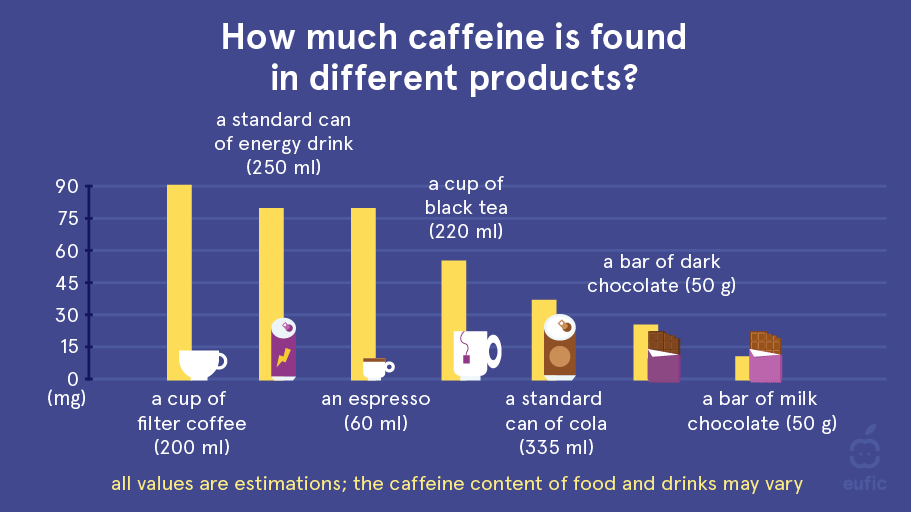
It's a common misconception that chocolate is caffeine-free. While the amount is significantly less than in a cup of coffee or an energy drink, chocolate does contain caffeine. Comparing caffeine levels directly is eye-opening. A standard 8oz Red Bull in 2026 contains roughly 80mg of caffeine, while a similar-sized serving of milk chocolate might only have around 12mg. That's a substantial difference.
Looking at darker varieties, the caffeine content increases. A 1.5oz serving of 70% dark chocolate can contain around 55mg of caffeine – still less than Red Bull, but a noticeable amount. White chocolate, however, contains very little caffeine, relying more on the stimulating effects of sugar. Current trends show energy drink manufacturers are experimenting with even higher caffeine doses, pushing some products well over 100mg per serving, while chocolate producers are largely maintaining existing caffeine levels.
The key takeaway is that chocolate isn’t a zero-caffeine zone, but it provides a much gentler stimulation than most energy drinks. The impact also depends heavily on the type of chocolate and the serving size. It's important to understand these differences, especially if you’re sensitive to caffeine or actively monitoring your intake. The variance in caffeine content is also a factor in how people experience the 'feel good' effects associated with chocolate.
Decoding Chocolate Caffeine: Bean to Bar
The caffeine in chocolate originates from the cacao bean itself. Cacao beans naturally contain both caffeine and a related compound called theobromine. Theobromine is a stimulant, but it affects the body differently than caffeine. It provides a longer, milder energy boost, without the same 'jittery' feeling some people experience with caffeine. It also has a diuretic effect and can act as a vasodilator, potentially improving blood flow.
The process of turning cacao beans into chocolate significantly influences the final caffeine content. Roasting the beans reduces caffeine levels, though the degree of reduction varies depending on the roasting temperature and duration. Conching, a process of refining the chocolate to improve its texture, doesn't significantly alter caffeine levels. However, alkalization – treating the beans with an alkaline solution – does reduce both caffeine and theobromine.
Cacao percentage is critical, especially in dark chocolate. Higher cacao content means more of the original bean remains, and therefore, more caffeine. A 70% dark chocolate bar will generally have more caffeine than a 50% bar. Interestingly, the origin of the cacao bean also plays a role; beans from certain regions naturally contain higher levels of caffeine. The specific variety of cacao plant, Criollo, Forastero, or Trinitario, also influences caffeine levels, with Forastero typically containing the most.
Caffeine Levels: Chocolate Varieties Compared
Let's break down the caffeine content in specific types of chocolate. According to Lindt’s information, a 100g serving of their Excellence 70% Dark Chocolate contains approximately 22mg of caffeine. Healthline reports that a similar serving of milk chocolate typically contains around 20mg, while white chocolate has negligible amounts – often less than 2mg.
Moving to higher cacao percentages, a 1.5oz (42.5g) serving of 85% dark chocolate can contain around 30-35mg of caffeine. For an even more intense experience, a 90% dark chocolate serving of the same size can reach 40-45mg. These figures can vary slightly depending on the brand and the specific bean origin. It’s also important to consider cocoa powder – a tablespoon can contain around 12mg of caffeine.
Chocolate nibs, the crushed cacao beans before processing, are a potent source of caffeine. A 1oz serving can deliver around 25mg. The variations highlight the importance of checking labels and being mindful of serving sizes. For a quick reference, here’s a summarized comparison:
Here's a general guideline based on a 100g serving (approximately 3.5oz):
* Milk Chocolate: 20-25mg
* 70% Dark Chocolate: 22-28mg
* 85% Dark Chocolate: 30-35mg
* 90% Dark Chocolate: 40-45mg
* White Chocolate: <2mg
* Cocoa Powder (1 tbsp): 12mg
* Chocolate Nibs (1oz): 25mg
Caffeine Content in Common Chocolate Products (Approximate Values, 2026)
| Chocolate Type | Serving Size | Caffeine Content (mg) | Caffeine Level |
|---|---|---|---|
| Milk Chocolate (Hershey's) | 1.45 oz (41g) | Approximately 9-12mg | Low |
| Milk Chocolate (Cadbury) | 1 oz (28.3g) | Approximately 6-8mg | Low |
| Dark Chocolate (Lindt 70%) | 1.5 oz (42.5g) | Approximately 30-35mg | Medium |
| Dark Chocolate (Ghirardelli 85%) | 1 oz (28.3g) | Approximately 35-45mg | Medium-High |
| White Chocolate (Lindt) | 1.5 oz (42.5g) | Trace Amounts (Generally <3mg) | Very Low |
| Cocoa Powder (Hershey's) | 1 tbsp (7.5g) | Approximately 12mg | Medium |
| Cocoa Powder (Valrhona) | 1 tbsp (7.5g) | Approximately 8-15mg | Medium |
| Chocolate Nibs | 1 oz (28.3g) | Approximately 25-30mg | Medium |
Illustrative comparison based on the article research brief. Verify current pricing, limits, and product details in the official docs before relying on it.
Energy Drinks: A Caffeine Overload?
Energy drinks are designed to deliver a rapid and substantial caffeine boost. Popular brands like Red Bull (80mg per 8oz serving in 2026), Monster Energy (around 160mg per 16oz serving), and Rockstar (typically 160mg per 16oz) pack a significant caffeine punch. Many newer energy drinks are even surpassing these levels, with some exceeding 300mg per can.
However, caffeine isn’t the only ingredient to consider. The high sugar content in many energy drinks contributes to a quick energy spike followed by a crash. A standard 16oz Monster Energy drink contains approximately 54 grams of sugar. Sugar-free alternatives often rely on artificial sweeteners, which have their own potential health concerns. It’s a double-edged sword.
The potential risks of excessive energy drink consumption are well-documented. High caffeine intake can lead to anxiety, insomnia, heart palpitations, and even more serious cardiovascular problems. It’s crucial to be aware of these risks and moderate consumption accordingly. Relying on energy drinks for sustained energy is generally not a healthy long-term strategy.
Health Effects: Chocolate vs. Energy Drinks
The health impacts of chocolate and energy drinks differ significantly. Dark chocolate, in particular, is rich in antioxidants called flavonoids, which have been linked to improved cardiovascular health. Studies suggest that regular consumption of dark chocolate can help lower blood pressure and improve blood flow. It also contains minerals like iron, magnesium, and zinc.
Energy drinks, on the other hand, primarily offer a temporary energy boost. The high sugar content can contribute to weight gain, type 2 diabetes, and other health problems. The artificial sweeteners used in sugar-free versions are also under scrutiny, with some research suggesting potential negative effects on gut health. The sustained stimulation can also disrupt sleep patterns and increase stress levels.
The way the caffeine is delivered matters too. The slower release of caffeine from chocolate, combined with theobromine, provides a more sustained and gentle energy lift than the rapid spike from energy drinks. This makes chocolate a more palatable choice for those seeking a mild stimulant. The benefits of dark chocolate are best realized with moderate consumption – around 1-2 ounces per day.
Chocolate for a Gentle Lift: Product Roundup
If you're looking for a chocolate fix with a moderate caffeine boost and added health benefits, focus on dark chocolate with a high cacao content. Brands like Endangered Species (72% Dark Chocolate) and Alter Eco (85% Dark Blackout) offer ethically sourced and delicious options. These brands prioritize quality ingredients and sustainable practices.
Chocolate-covered nuts are another good choice. The nuts provide healthy fats and protein, while the dark chocolate adds a touch of caffeine and antioxidants. Justin's Dark Chocolate Almond Butter Cups are a popular option. Cocoa nibs can be sprinkled on yogurt or oatmeal for a concentrated dose of cacao flavor and caffeine.
Avoid overly processed chocolate bars loaded with sugar and artificial ingredients. Look for bars with minimal ingredients and a high cacao percentage. Remember that quality matters – investing in good chocolate will enhance both the flavor and the health benefits. Here are a few examples available on Amazon:
* Endangered Species Dark Chocolate (72% Cacao): Ethically sourced and delicious.
* Alter Eco Organic Dark Blackout Chocolate (85% Cacao): Intense flavor and high antioxidant content.
* Justin's Dark Chocolate Almond Butter Cups: A satisfying combination of chocolate and nuts.
* Hu Kitchen Simple Dark Chocolate: Minimal ingredients and a focus on health.
Featured Products

100% dark chocolate (Total Blackout variety) with maximum cacao content for highest natural caffeine levels · USDA Organic, Fair Trade, Non-GMO, and Gluten Free certified · 12-pack of full-size bars for extended comparison testing and everyday enjoyment
With its 100% cacao Total Blackout formulation, this 12-pack offers one of the highest natural caffeine concentrations available in chocolate, making it an ideal benchmark for comparing chocolate's caffeine content against energy drinks.

Dark chocolate baking chips in a convenient 9 oz bag for versatile use · Fair Trade Certified chocolate supporting ethical sourcing practices · Designed for baking applications, allowing precise measurement of chocolate caffeine intake
These dark chocolate baking chips provide a measurable, portion-friendly format that makes it easy for readers to calculate and compare the caffeine content in chocolate-based recipes versus energy drinks.

3 oz dark chocolate bar from a brand committed to wildlife conservation · Fairtrade International certified for ethically sourced cocoa · Compact single-bar size ideal for individual caffeine content assessment
This ethically sourced dark chocolate bar offers a convenient single-serving size that allows readers to easily gauge the caffeine in a typical chocolate portion compared to a standard energy drink.

12-pack of 2.1 oz simple dark chocolate bars with minimal, clean ingredients · USDA Organic, Fairtrade International, Vegan, Gluten Free, Paleo, and Non-GMO certified · Natural organic dark chocolate free from refined sugars and common allergens
Hu's minimally processed, organic dark chocolate bars provide a clean baseline for evaluating natural caffeine content in chocolate without additives, offering a transparent comparison to the synthetic caffeine found in energy drinks.

2 lb bulk bag of USDA Organic raw cacao nibs in their purest, minimally processed form · Cacao nibs retain high concentrations of natural compounds including caffeine and theobromine · Versatile ingredient for smoothies, baking, and snacking with no added sugars or fillers
As one of the least processed forms of cacao available, these organic cocoa nibs deliver a concentrated source of natural caffeine and theobromine, making them the ultimate reference point for comparing chocolate-derived caffeine to energy drinks.
As an Amazon Associate I earn from qualifying purchases. Prices may vary.
Managing Your Caffeine Intake: A Guide
The Food and Drug Administration (FDA) recommends that healthy adults consume no more than 400mg of caffeine per day. This includes caffeine from all sources – coffee, tea, energy drinks, and chocolate. If you're sensitive to caffeine, you may want to limit your intake even further.
To avoid caffeine crashes, spread your intake throughout the day rather than consuming a large amount at once. Stay hydrated by drinking plenty of water. If you experience anxiety or insomnia, reduce your caffeine consumption or eliminate it altogether. Being mindful of your body's response to caffeine is key to managing your intake effectively.
No comments yet. Be the first to share your thoughts!