

Chocolate is more than a treat
It’s a common misconception that chocolate is just a sweet indulgence. Many people are surprised to learn that dark chocolate, in particular, contains caffeine. We often associate caffeine with coffee, tea, or energy drinks, but chocolate offers a more subtle, and potentially healthier, source of stimulation. This isn’t about replacing your morning coffee, but understanding that the delicious treat you enjoy can also provide a gentle lift.
The difference between these two sources isn't just the milligram count; it's the delivery. While an energy drink hits the bloodstream almost instantly, chocolate provides a slower burn. Looking at current market shifts, we're seeing a move toward these more sustained energy sources.
The idea that chocolate can be stimulating isn't new, of course. Historically, cacao was valued for its invigorating properties. But modern chocolate production and the rise of highly caffeinated energy drinks have created a surprising contrast. Let’s unpack exactly what’s happening and see which one comes out on top when it comes to a balanced energy boost.
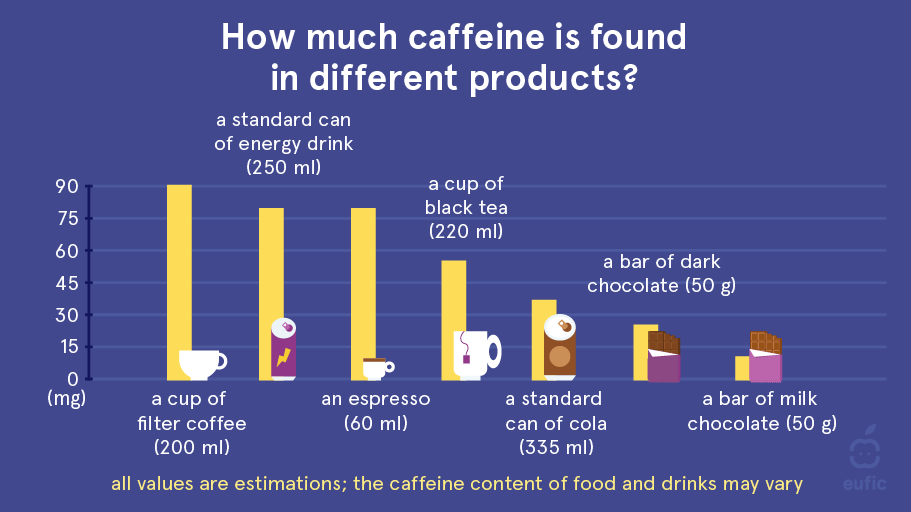
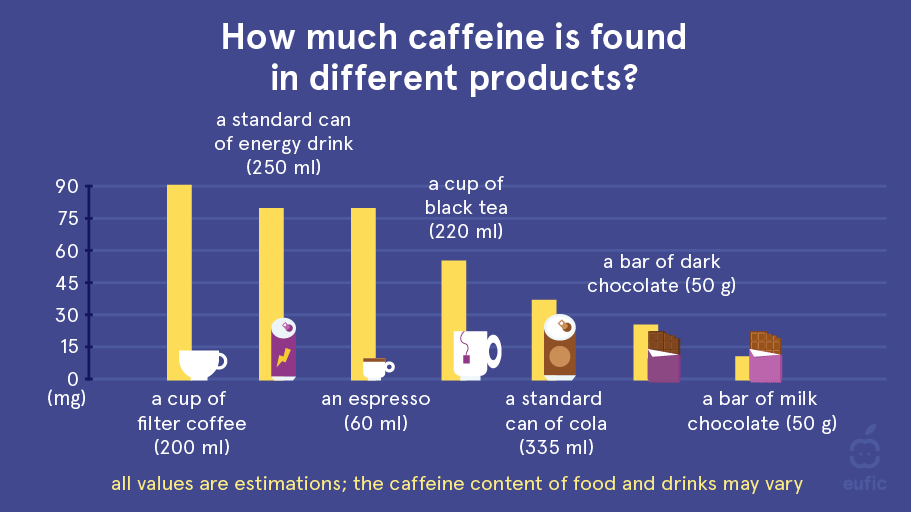
Caffeine levels in different chocolates
The amount of caffeine in chocolate varies significantly depending on the type. White chocolate contains virtually no caffeine, as it’s made from cocoa butter and lacks cocoa solids. Milk chocolate has a small amount, but it’s considerably less than dark chocolate. According to Lindt, a 100g serving of their Excellence 70% Dark Chocolate contains approximately 22mg of caffeine.
Dark chocolate has a higher percentage of cacao and delivers more caffeine. A 1-ounce serving of 70-85% dark chocolate contains between 23mg and 80mg, according to Healthline. For a specific example, Coracao Confections' 85% bar has about 50mg per ounce.
Processing also plays a role. The fermentation and roasting of cacao beans can influence caffeine levels. Longer fermentation times and higher roasting temperatures can slightly reduce caffeine content. However, the biggest factor remains the percentage of cacao solids. The higher the percentage, the more caffeine you’re likely to get.
Here's a quick breakdown (approximate values per 100g): White Chocolate: 0-2mg, Milk Chocolate: 15-20mg, 70% Dark Chocolate: 50-80mg, 85% Dark Chocolate: 70-100mg. These numbers are estimates, and can vary between brands and specific products.
- White Chocolate: 0-2mg per 100g
- Milk Chocolate: 15-20mg per 100g
- 70% Dark Chocolate: 50-80mg per 100g
- 85% Dark Chocolate: 70-100mg per 100g
Caffeine Content Comparison (per 100g)
| Chocolate/Drink Type | Caffeine Content (mg) | Source |
|---|---|---|
| White Chocolate | Very Low (typically less than 0.5mg) | Healthline |
| Milk Chocolate (approx. 35% cacao) | Around 16mg | Healthline |
| Milk Chocolate (approx. 50% cacao) | Approximately 22mg | Healthline |
| 70% Dark Chocolate | Around 80mg | Lindt & Healthline |
| 85% Dark Chocolate | Approximately 140mg | Lindt & Healthline |
| Red Bull Energy Drink (250ml can) | Around 80mg (equivalent to approximately 200mg/100ml) | Healthline |
| Monster Energy Drink (250ml can) | Around 160mg (equivalent to approximately 320mg/100ml) | Healthline |
Illustrative comparison based on the article research brief. Verify current pricing, limits, and product details in the official docs before relying on it.
Energy Drinks: A Caffeine Blast
Energy drinks are designed to provide a rapid and substantial boost, and caffeine is the primary driver. A standard 16-ounce can of Red Bull, for example, contains 80mg of caffeine. Monster Energy drinks typically pack around 160mg of caffeine per 16-ounce can. These numbers are substantially higher than what you'd find in a comparable serving of dark chocolate.
However, it’s important to consider serving sizes. Many energy drinks are sold in larger cans, exceeding 16 ounces, and therefore containing even more caffeine. It’s easy to consume 200mg or more of caffeine in a single energy drink, especially with the proliferation of "extreme" energy varieties. The effect of these larger doses can be quite intense.
Beyond caffeine, energy drinks often include other stimulating ingredients like taurine, guarana, and B vitamins. Guarana, a natural source of caffeine, can amplify the overall effect. These ingredients are often marketed to enhance performance and alertness, but their efficacy is still debated. It’s reasonable to expect that by 2026, we will see new ingredients enter the energy drink market, potentially focusing on nootropics or adaptogens.
The quick delivery of caffeine in energy drinks is due to the way they are formulated. They’re designed for rapid absorption, leading to a fast, but often short-lived, energy spike. This is a key difference compared to the slower release of caffeine from chocolate.
Head-to-Head: Chocolate vs. Drinks
Let's directly compare a 1-ounce serving of 70% dark chocolate (approximately 55mg of caffeine) to a standard 16-ounce energy drink (around 80-160mg of caffeine). The energy drink clearly delivers a larger dose of caffeine. However, the way that caffeine is delivered is crucial. The energy drink provides a rapid surge, while the chocolate offers a more gradual release.
This difference in delivery impacts how your body responds. The quick spike from energy drinks can lead to jitters, anxiety, and a subsequent crash. The slower release from dark chocolate provides a more sustained and gentle energy lift, without the same dramatic peaks and valleys. Individual sensitivity to caffeine also plays a significant role. Some people are highly sensitive and experience noticeable effects from even small amounts, while others can tolerate much higher doses.
Furthermore, consider the context of consumption. An energy drink is often consumed quickly, while a piece of dark chocolate is typically savored over a longer period. This slower consumption can also contribute to the more gradual release of caffeine. It’s not simply about the total caffeine content, but the pattern of intake.
Caffeine Levels Over Time: Dark Chocolate vs. Energy Drink (1oz Dark Chocolate vs. 16oz Energy Drink)
Data: AI-generated estimate for illustration
The health trade-off
The comparison shouldn't stop at caffeine levels. Dark chocolate offers a range of health benefits that energy drinks simply can’t match. Dark chocolate is rich in antioxidants, particularly flavonoids, which have been linked to improved cardiovascular health. These compounds help protect against cell damage and reduce inflammation. Studies have shown a correlation between regular dark chocolate consumption and lower blood pressure.
Beyond cardiovascular benefits, dark chocolate has been shown to boost mood and cognitive function. The flavonoids in chocolate can increase blood flow to the brain, enhancing alertness and focus. It also contains compounds like phenylethylamine, which is associated with feelings of pleasure. These effects are far more nuanced than the simple stimulation provided by caffeine.
Energy drinks, on the other hand, often come with a host of potential downsides. The high sugar content in many energy drinks contributes to weight gain, insulin resistance, and other health problems. Artificial ingredients and excessive caffeine intake can lead to anxiety, insomnia, and even heart palpitations. Frequent consumption can also create a dependence, leading to withdrawal symptoms when you try to cut back.
Energy drinks have their place for athletes during intense training, but for a desk job or a mid-afternoon slump, the sugar and synthetic caffeine often cause more trouble than they're worth. Dark chocolate is a better tool for a steady mood and focus.
Dark Chocolate Picks: Our Top Choices
If you're looking to incorporate more high-quality dark chocolate into your diet, here are a few of our top picks. These options prioritize ethical sourcing, sustainable practices, and, of course, delicious flavor. Prices are approximate and subject to change.
Lindt Excellence 70% Cocoa Dark Chocolate: A classic choice, known for its smooth texture and rich flavor. Available on Amazon for around $4.50 per 3.5oz bar.
Alter Eco Dark Blackout 85% Cacao Chocolate: This organic and fair-trade chocolate offers a bold, intense flavor. A 3oz bar costs approximately $5.50 on Amazon.
Equal Exchange Organic Dark Chocolate 70% Cacao: A great option for those who prioritize fair trade and sustainability. You can find a 3oz bar for around $3.99 on Amazon.
Coracao 85% Dark Chocolate: As mentioned earlier, Coracao prioritizes quality ingredients and offers a range of dark chocolate options. Their 85% bar is available on their website and through select retailers. (Approx. $6 per 2.8oz bar).
When choosing dark chocolate, look for bars with a high percentage of cacao (70% or higher) and minimal added sugar. Reading the label and supporting brands committed to ethical sourcing is always a good idea.
Featured Products

Intense dark chocolate with 86% cacao · Rich cocoa notes · Pack of 3 bars
This high-quality dark chocolate offers a natural source of caffeine, providing a delicious alternative for those seeking an energy boost without the artificial ingredients found in energy drinks.

90% dark chocolate · Pack of 4 bars · 3.5 oz bars
This high-quality dark chocolate offers a natural source of caffeine, providing a delicious alternative for those seeking an energy boost without the artificial ingredients found in energy drinks.

Extra dark chocolate with 82% cacao · Pack of 12 bars · 3-ounce bars
This high-quality dark chocolate offers a natural source of caffeine, providing a delicious alternative for those seeking an energy boost without the artificial ingredients found in energy drinks.

70% cacao dark chocolate · Guanaja variety · Large 6 lbs 9 oz bag of feves
This high-quality dark chocolate offers a natural source of caffeine, providing a delicious alternative for those seeking an energy boost without the artificial ingredients found in energy drinks.

70% cacao organic dark chocolate · Vegan and Fair Trade certified · Pack of 6 bars
This high-quality dark chocolate offers a natural source of caffeine, providing a delicious alternative for those seeking an energy boost without the artificial ingredients found in energy drinks.
As an Amazon Associate I earn from qualifying purchases. Prices may vary.
No comments yet. Be the first to share your thoughts!