

Make the recipe
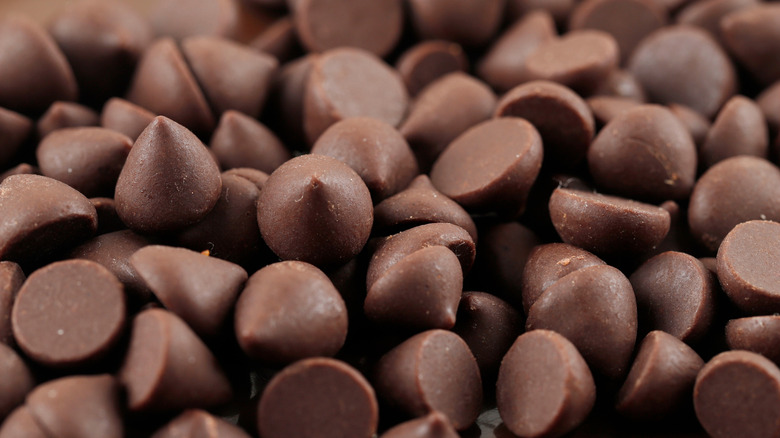
Melting chocolate chips is a straightforward process, but it requires patience. Chocolate is sensitive to heat and moisture, so rushing the process or introducing water will cause it to seize into a grainy, unusable mess. The goal is gentle, indirect heat that melts the cocoa butter evenly without scorching the solids.
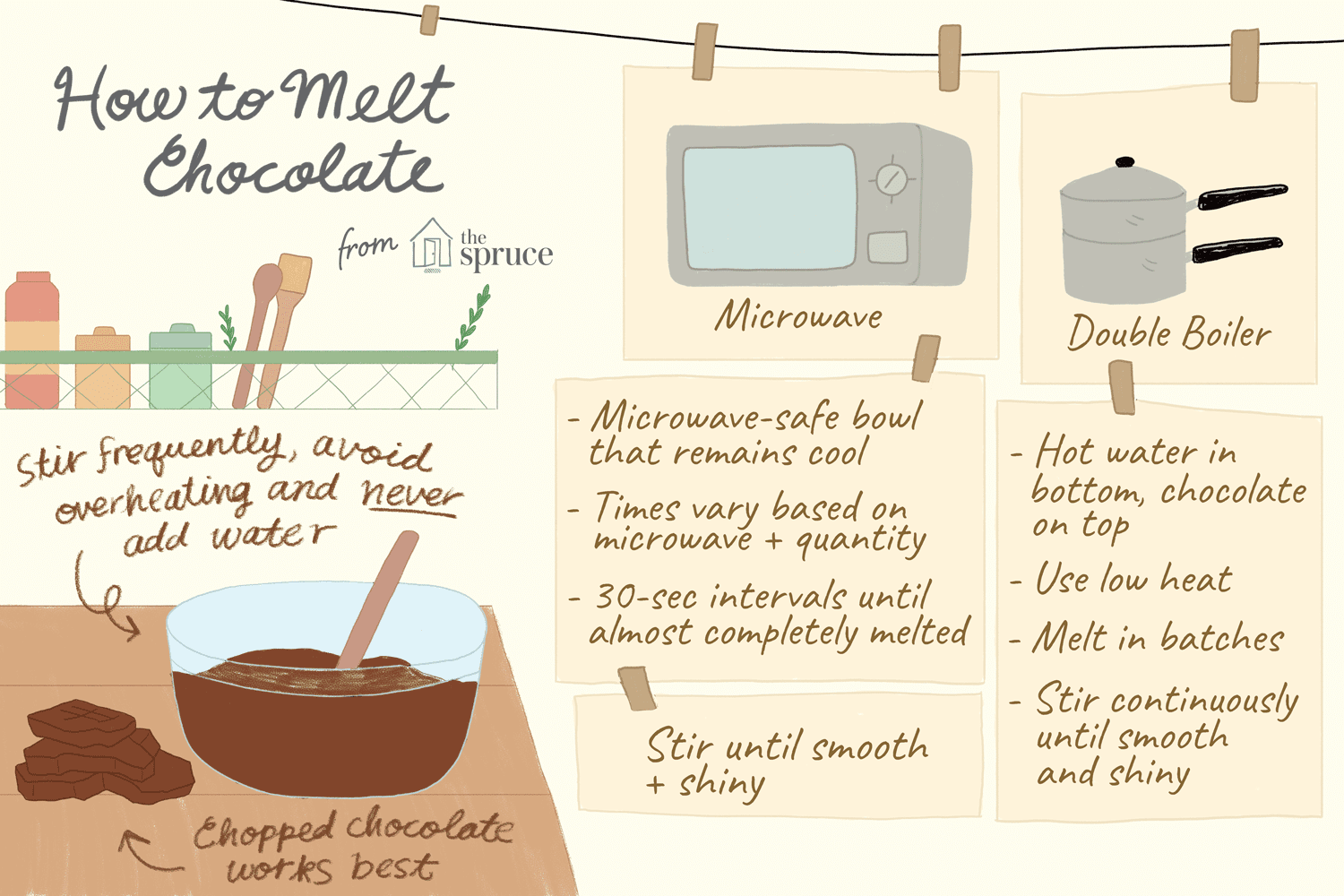
The microwave method is the fastest way to melt chocolate chips for dips, drizzles, or folding into cookie dough. It works well because microwaves heat the water molecules inside the chips, allowing them to soften from the inside out. However, because microwave wattages vary, you must heat in short bursts and stir frequently to distribute the heat.
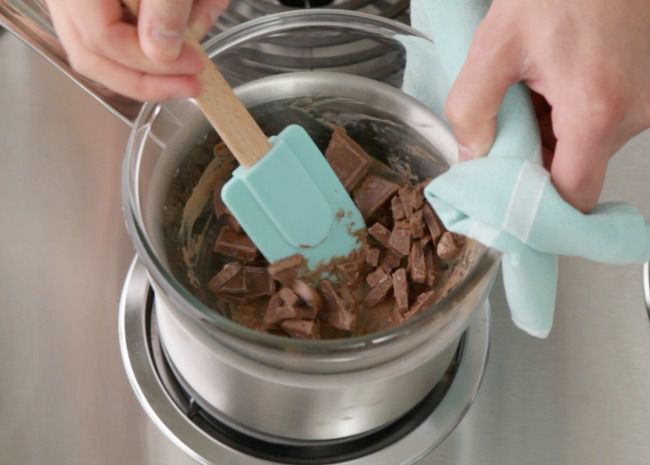
For a smoother, more controlled melt—especially if you plan to use the chocolate for dipping or coating—the double boiler method is superior. This technique uses steam from simmering water to heat a bowl above it. The temperature never exceeds 212°F (100°C), which is low enough to prevent burning. It takes longer than microwaving, but the result is a glossy, fluid chocolate that sets with a professional finish.
When melting chocolate, always keep your tools dry. If you are making a ganache or sauce that requires liquid, add the warm cream or milk only after the chocolate is already melted, not during the heating process. This prevents the chocolate from seizing. Once melted, the chocolate will continue to thicken as it cools, so plan your next step before you start melting.
Keep the texture right
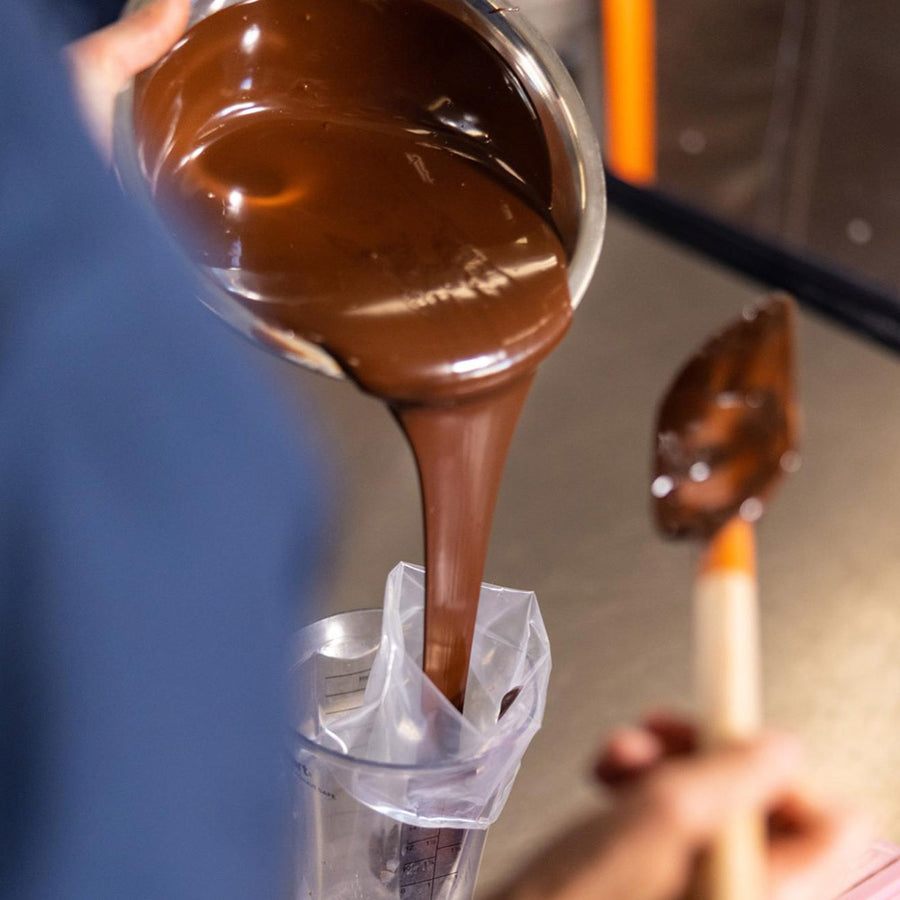
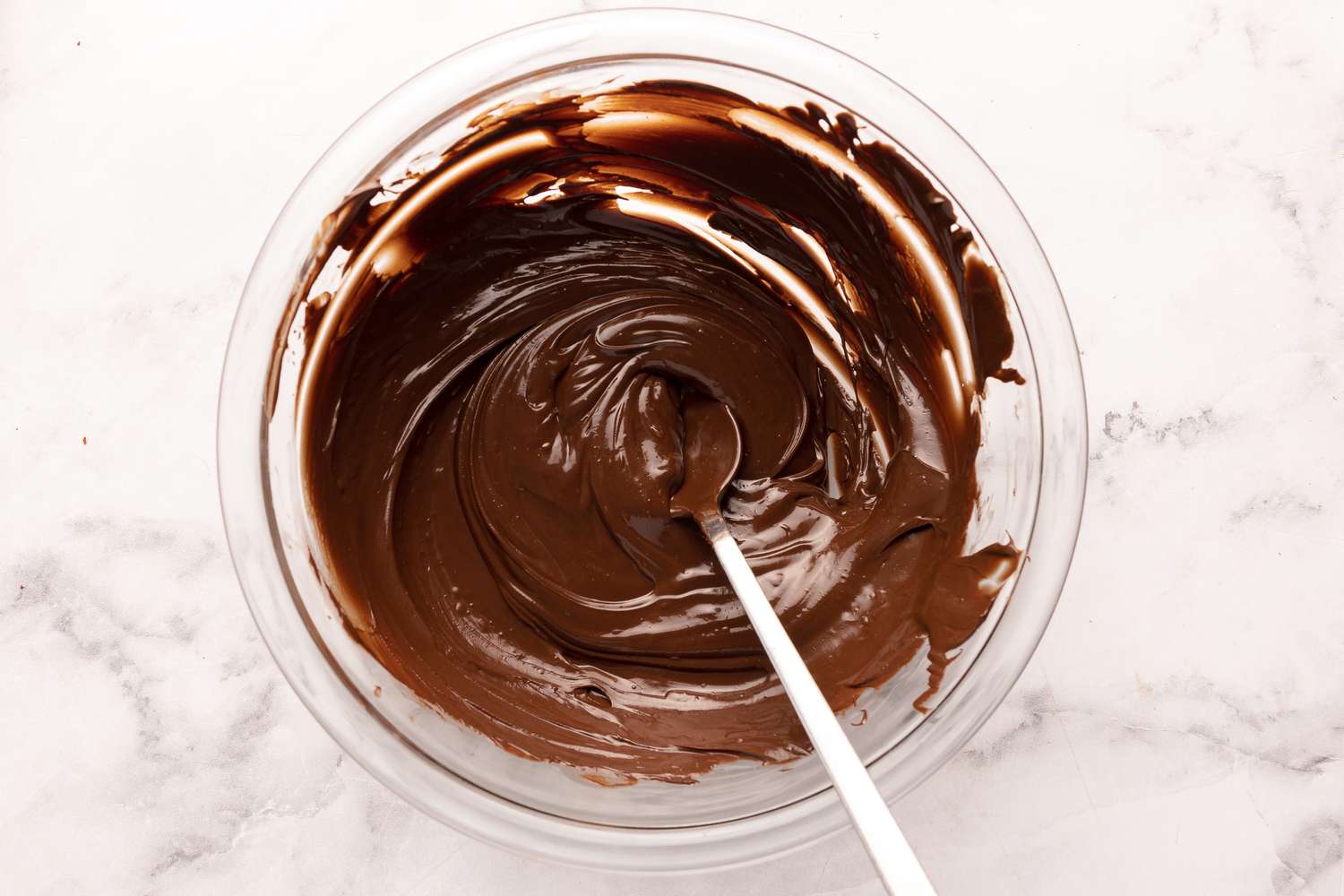
Melting chocolate chips is less about heat and more about patience. When the texture turns watery, dry, or grainy, it usually means moisture got in or the heat got too aggressive. Chocolate is a delicate emulsion; once it breaks, it stays broken. Follow these steps to keep your melted chocolate smooth, glossy, and ready for dipping or drizzling.
Swaps that still work
Sometimes you don’t have the exact chocolate or fat called for in a recipe, or you want to adjust the texture of your melted chips. The good news is that a few common pantry swaps can save the day without turning your chocolate into a grainy mess.
The key is understanding what each ingredient does. Fats like butter or oil add richness and thin the chocolate, while dairy like cream or milk adds moisture and creaminess. The tradeoff is that adding liquids can cause chocolate to seize if not done carefully, and adding too much fat can prevent the chocolate from setting properly.
Here is a quick comparison of the most reliable swaps for melted chocolate chips:
| Ingredient | Ratio | Result | Best Used For |
|---|---|---|---|
| Butter or Coconut Oil | 1 tsp per cup of chips | Thins consistency; adds richness | Dipping strawberries or drizzling |
| Heavy Cream | 1 tbsp per cup of chips | Creates a smooth ganache texture | Frostings or fillings |
| Milk or Half-and-Half | 1 tsp per cup of chips | Adds creaminess; risk of seizing if too much | Hot chocolate or creamy sauces |
| Shortening | 1 tsp per cup of chips | Keeps chocolate thin without altering flavor | Coating cookies where flavor neutrality is key |
Serving and storing your melted chocolate
Proper handling after melting determines whether your chocolate stays glossy or turns dull and grainy. If you are dipping fruit or making truffles, let the chocolate set at cool room temperature rather than rushing it in the fridge. Rapid cooling causes condensation, which makes the surface sticky and prone to water spots.
For leftovers, transfer any unused chocolate to an airtight container. Store it in a cool, dark place away from direct sunlight or heat sources. Properly stored, melted chocolate remains usable for up to two weeks, though the texture may tighten slightly over time.
When you need to reheat it, use low, gentle heat. Microwave the chocolate in 15-second intervals, stirring thoroughly between each burst. This method restores the smooth, pourable consistency without scorching the cocoa solids. Avoid high power settings, which can seize the chocolate instantly.
Quick storage checklist
- Cool completely before sealing to prevent condensation.
- Use an airtight container to block out odors.
- Keep away from heat and direct sunlight.
- Reheat in 15-second microwave bursts.
Common questions about melting chocolate chips
Even with the right tools, melting chocolate can feel like a high-stakes cooking experiment. A few stray drops of water or one minute too long in the microwave can turn glossy chips into a grainy mess. Here are the most common practical hurdles and how to fix them before they ruin your dessert.
No comments yet. Be the first to share your thoughts!