

The basics of melting vegan chocolate
Melting vegan chocolate can feel a bit different than working with traditional dairy-based chocolate, and it’s a frustration I hear about a lot. The key difference lies in the fat content. Traditional chocolate relies heavily on cocoa butter, while many vegan varieties incorporate plant-based fats like coconut oil, shea butter, or sunflower oil to achieve the right texture. These alternative fats have different melting points and behave differently, which is where the challenges begin.
Cocoa butter is remarkably stable, creating beautifully smooth and glossy results when tempered correctly. Plant-based fats, however, can sometimes lead to graininess or a less-than-ideal shine if not handled with care. Understanding these nuances is the first step toward mastering vegan chocolate melting. It's not about making it harder, just different.
Tempering is just the process of aligning cocoa butter crystals so the chocolate stays stable and shiny. You need it if you want a bar that snaps, but for a simple drizzle or a sauce, you can skip it. Vegan chocolate is just as good as dairy versions once you get the hang of the temperature.
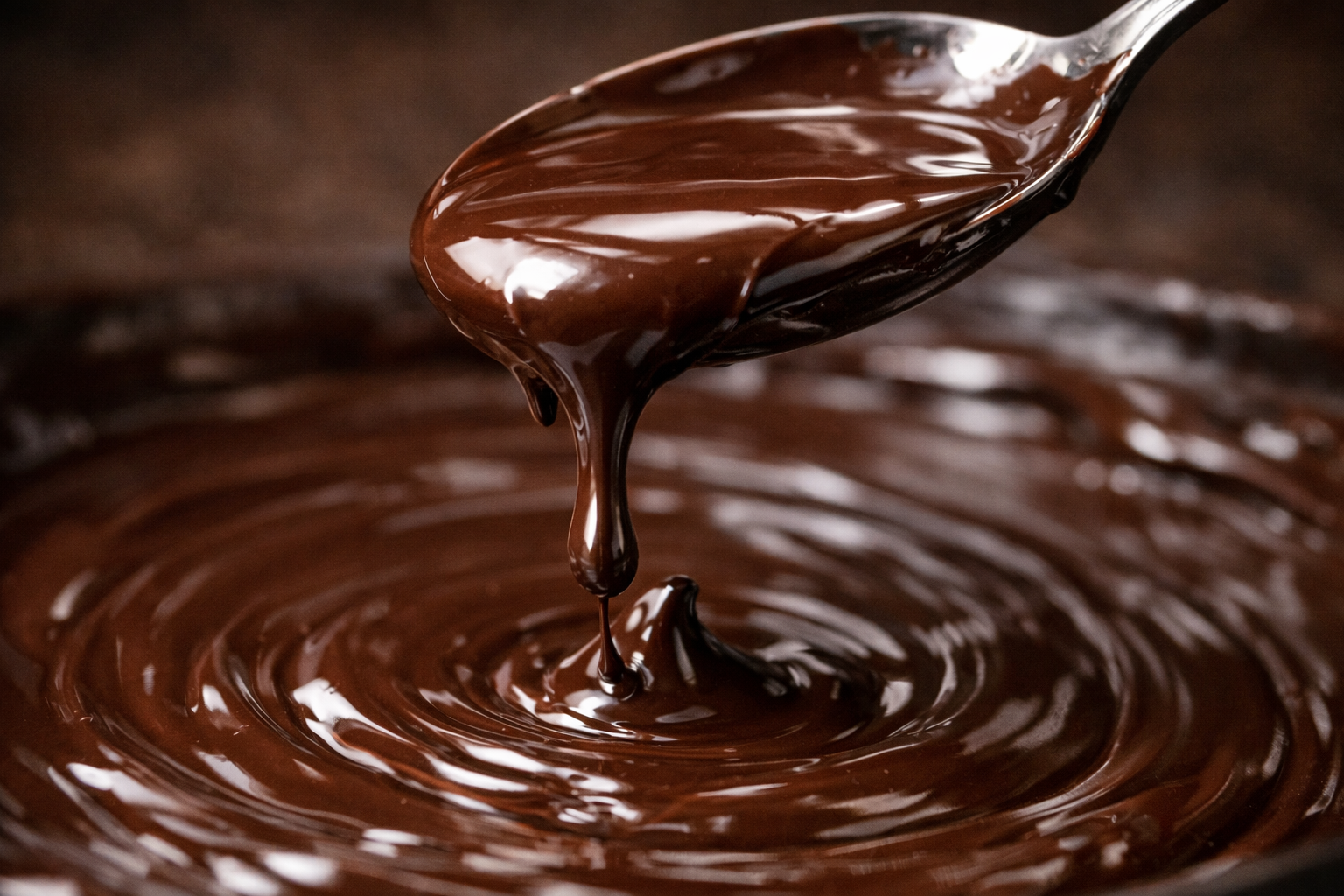
How coconut oil changes the melt
Many vegan chips use coconut oil because it's cheap and easy to find. The problem is that coconut oil melts at 76°F, which is much lower than cocoa butter. This low melting point is usually why vegan chocolate acts up in the kitchen.
If the chocolate gets too warm, the coconut oil can separate, resulting in a grainy texture and a dull appearance. You might notice the chocolate becoming thick and sluggish. Recognizing this is key. It’s not "burnt’ necessarily, just destabilized. I"ve personally experienced this with some brands that heavily rely on coconut oil, especially during warmer months.
To counteract this, it’s crucial to melt the chocolate gently and avoid overheating. Lower temperatures and shorter intervals are your friends. If you suspect the coconut oil is separating, try adding a tiny bit of cocoa butter (if you have some on hand) and stirring vigorously. This can sometimes help re-stabilize the mixture. But prevention is always better than a rescue mission.
Double boiler or microwave?
When it comes to melting chocolate, you generally have two main options: a double boiler or the microwave. Both have their advantages and disadvantages. A double boiler provides excellent control, allowing you to gently and evenly melt the chocolate without the risk of scorching. It requires a bit more effort and time, but the results are often more consistent.
The microwave is all about convenience. It's fast and easy, but it demands more attention to prevent overheating. I recommend using 30-second intervals at 50% power, stirring well between each interval. This gives you more control than zapping it on high for a minute. Overheating is the biggest culprit for grainy or burnt chocolate.
Moisture is the enemy of melted chocolate, regardless of the method. Even a tiny drop of water can cause the chocolate to seize up and become unusable. Ensure your bowls and utensils are completely dry before you begin. If you do accidentally burn the chocolate slightly, sometimes stirring in a tablespoon of melted, unburnt chocolate can help salvage it, but it's not always successful.
Do you really need to temper?
Tempering, as mentioned earlier, is the process of stabilizing the cocoa butter crystals. When properly tempered, chocolate has a beautiful shine, a satisfying snap, and is less prone to bloom (that whitish coating that appears on the surface). For traditional chocolate, tempering is almost always necessary for a professional finish. But is it crucial for vegan chocolate?
The answer is… it depends. If you’re making chocolate bars, truffles, or anything where appearance and snap are important, tempering is highly recommended. It will significantly improve the quality of your finished product. However, if you’re using the melted chocolate for sauces, ganache, or as a coating where those qualities aren’t as critical, you can often skip the tempering process.
Simplified tempering techniques exist for home cooks. One method involves "seeding’ – adding a small amount of solid, tempered chocolate to melted chocolate and stirring until it"s fully incorporated. This introduces stable crystals and helps bring the rest of the chocolate into temper. Another approach is tabliering, spreading the chocolate on a cool surface and working it to create the correct crystal structure. These techniques take practice, though.
Keep in mind that the type of plant-based fat used in the chocolate will also affect its tempering behavior. Some fats are more stable than others, making tempering easier or more challenging. Experimentation is key!
The best vegan brands for melting
The options for vegan melting chocolate are growing fast. Pascha Organic is my go-to because it melts smoothly and doesn't have that weird aftertaste some organic brands do. Enjoy Life is the best bet if you're dealing with nut or soy allergies, and you can find it in almost any grocery store.
Hu Kitchen is gaining popularity for its simple ingredient lists and focus on unrefined sugar. Their chocolate is a bit more expensive, but the quality is undeniable. However, I've found some of their darker chocolates can be a little finicky to melt, requiring extra care to avoid graininess. Emerging brands to watch include Raeka Chocolate, known for its single-origin offerings, and Vesta Chocolate, which focuses on innovative flavor combinations.
When choosing a brand, pay attention to the type of plant-based fat used. Cocoa butter is ideal, but if coconut oil is present, look for brands that use a high-quality, refined coconut oil, as this tends to be more stable. I also recommend reading reviews from other bakers and chocolatiers to get a sense of how the chocolate performs in various applications.
Here's a quick overview of a few standouts: Pascha Organic 70% Dark Chocolate: Excellent flavor, smooth melting. Enjoy Life Dark Chocolate Chips: Widely available, allergy-friendly. * Hu Kitchen 85% Dark Chocolate: Rich flavor, requires careful melting.
Vegan Chocolate Chip Melting Performance Comparison - 2026
| Brand | Cocoa Content | Primary Fat Source | Melting Ease | Overall Quality |
|---|---|---|---|---|
| Enjoy Life | 60% | Sunflower Oil | Very Easy | Good - Widely Available |
| Pascha Chocolate | 55-70% | Organic Cacao Butter | Easy | Excellent - Pure Ingredients |
| Hu Kitchen | 70% | Coconut Oil | Moderate - Requires Patience | Very Good - Strong Flavor |
| Lily's Sweets | 55-60% | Sunflower Oil | Easy | Good - Readily Accessible |
| Equal Exchange | 70% | Cacao Butter | Moderate | Excellent - Ethical Sourcing |
| Alter Eco | 70% | Coconut Oil | Moderate - Can be Thick | Good - Sustainable Practices |
Qualitative comparison based on the article research brief. Confirm current product details in the official docs before making implementation choices.
Fixing common mistakes
Despite your best efforts, things can still go wrong when melting chocolate. Grainy chocolate is often caused by overheating or the separation of plant-based fats. If this happens, try adding a small amount of cocoa butter and stirring vigorously. Seized chocolate, which becomes thick and pasty, is usually caused by moisture. Unfortunately, seized chocolate is often beyond saving.
Chocolate that won’t smooth out can be a sign of improper tempering or an unstable fat content. Try gently warming the chocolate, stirring constantly, and adding a tiny bit of cocoa butter. If these solutions don’t work, it might be best to start over. Prevention is always the best approach—melt slowly, avoid moisture, and use high-quality chocolate.
A common issue is chocolate that looks streaky or mottled after melting. This can happen if the chocolate wasn’t heated evenly. Ensure you’re stirring frequently and using a consistent heat source. Sometimes, letting the chocolate sit for a few minutes after melting can help it smooth out on its own. I'm not sure about every possible issue, but these are the ones I encounter most often.
What to make with your melted chocolate
Mastering vegan chocolate melting opens up a world of culinary possibilities. Melted vegan chocolate is the foundation for decadent ganache, rich sauces, and beautifully molded chocolates. It's also perfect for coating fruits, nuts, or cookies. Don’t be afraid to experiment with different flavors and textures.
To make a quick ganache, mix your melted chocolate with coconut cream in a 1:1 ratio. If you just want a thin sauce for ice cream, whisk in a splash of almond milk or maple syrup until it looks right.
Vegan Chocolate Applications
- Vegan Chocolate Bark with Dried Fruit & Nuts - Combine melted Enjoy Life chocolate with your favorite dried fruits (cranberries, apricots) and nuts (almonds, walnuts) for a simple, customizable treat.
- Dairy-Free Chocolate Covered Strawberries - Use melted Pascha chocolate to create elegant and delicious chocolate-covered strawberries, perfect for gifting or a special occasion.
- Vegan Chocolate Ganache Tart - A rich and decadent tart featuring a crust made with vegan butter and a filling of melted Hu Kitchen Gems and coconut cream.
- Plant-Based Chocolate Mug Cake - A quick and easy single-serving dessert using melted Lily's Sweets chocolate chips and a few pantry staples.
- Vegan Chocolate Drizzle for Desserts - Melt Equal Exchange chocolate and drizzle over vegan ice cream, fruit salads, or baked goods for an added touch of indulgence.
- Homemade Vegan Chocolate Truffles - Create luxurious truffles by combining melted Divine Chocolate with coconut cream and rolling them in cocoa powder or chopped nuts.
- Vegan Chocolate Dipped Pretzels - A salty-sweet snack made by dipping pretzels into melted SimpleWishes chocolate.

No comments yet. Be the first to share your thoughts!