

Natural caffeine baselines
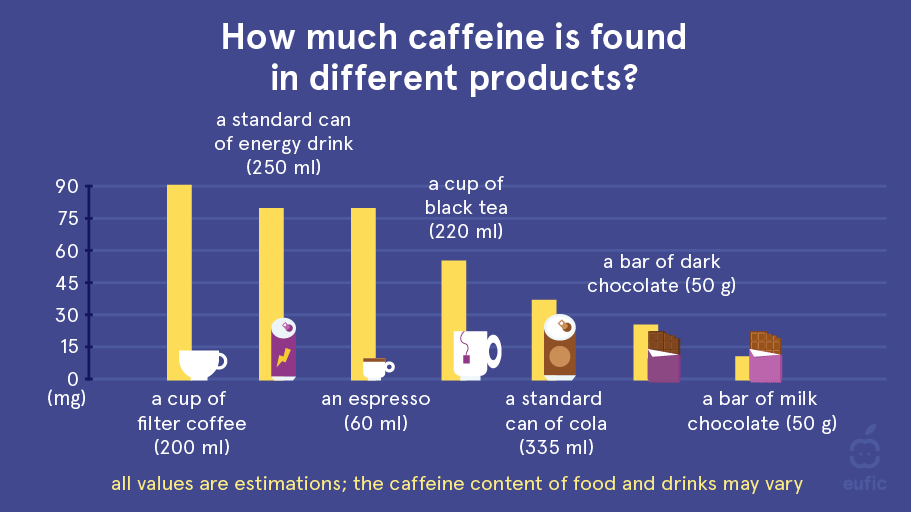
Chocolate is more than a treat; it is a natural source of caffeine. A 28-gram serving of 70-85% dark chocolate contains roughly 23 milligrams of caffeine, according to USDA data. Milk chocolate drops to about 12 milligrams, while white chocolate has almost none.
The caffeine comes from the cacao bean, which also carries theobromine. Darker chocolate has higher concentrations of both. While fermentation and conching play roles, roasting temperature is the primary variable in caffeine reduction, though exact temperature-to-loss ratios remain debated in food science.
It's important to remember that these are averages. The specific cacao bean origin, growing conditions, and manufacturing processes can all contribute to variations. Even within the same brand, slight differences in caffeine content can occur from batch to batch. A standard candy bar, like a Hershey’s Milk Chocolate bar (43 grams), will likely deliver around 18 milligrams of caffeine– a noticeable, though mild, boost.
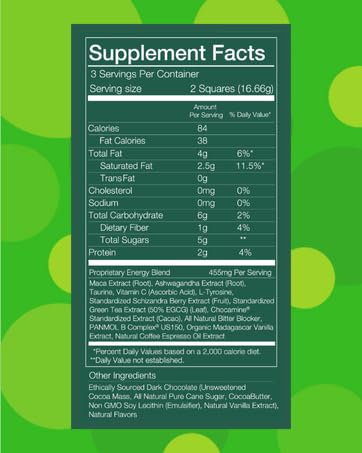
Consider coffee-coated chocolate beans. These aren’t your typical treat. The USDA data shows that a 1-ounce serving of dark chocolate-coated coffee beans packs a substantial 336 milligrams of caffeine! That’s comparable to a strong cup of coffee. This highlights just how much caffeine can be introduced through added ingredients, a point we’ll revisit when discussing functional chocolate.
Nootropics in chocolate
The term "nootropic chocolate’ refers to chocolate infused with ingredients claimed to enhance cognitive function. It’s more than just the temporary mood lift you get from a sugar rush. Manufacturers are adding compounds like L-theanine, Lion"s Mane mushroom extract, Bacopa Monnieri, and phosphatidylserine, all with the goal of improving focus, memory, and overall brain health.
L-theanine, an amino acid commonly found in tea, is often paired with caffeine to create a synergistic effect – increased alertness without the jitters. Lion’s Mane, a medicinal mushroom, is believed to stimulate nerve growth factor (NGF) production, potentially supporting neuronal health and cognitive function. Bacopa Monnieri, used in traditional Ayurvedic medicine, is thought to improve memory and learning. Phosphatidylserine is a phospholipid that plays a role in cell membrane structure and function, and is associated with improved cognitive performance.
L-theanine is well-documented for smoothing out caffeine jitters. Evidence for Lion’s Mane and Bacopa is thinner, relying mostly on small-scale studies rather than definitive human trials. These claims are often ahead of the actual data.
Chocolate itself contributes to this potential cognitive boost. Cacao contains flavanols, antioxidants linked to improved blood flow to the brain. The combination of these flavanols with added nootropics is what makes this category so appealing. A table outlining common nootropic additions and their purported benefits seems appropriate here:
- L-Theanine: An amino acid that reduces anxiety and sharpens focus when paired with caffeine.
- Lion’s Mane: Supports nerve growth factor production, potentially improving cognitive function and neuronal health.
- Bacopa Monnieri: Traditionally used to enhance memory and learning, may improve cognitive performance.
- Phosphatidylserine: Supports cell membrane health, linked to improved cognitive function and memory.
Nootropic & Adaptogenic Ingredients in Functional Chocolate (Trends to 2026)
| Ingredient | Purported Benefit | Typical Dosage Range (per serving of chocolate) | Evidence Strength |
|---|---|---|---|
| L-Theanine | Promotes relaxation without drowsiness, may enhance focus when combined with caffeine | 50-200mg | Medium |
| Lion's Mane Mushroom | May support cognitive function, nerve growth factor production | 200-500mg dried extract | Low |
| Bacopa Monnieri | Traditionally used to enhance memory and cognitive performance | 300-450mg standardized extract | Medium |
| Rhodiola Rosea | Adaptogen, may help reduce stress and fatigue, improve mental performance | 200-600mg standardized extract | Medium |
| Cordyceps | Adaptogen, potentially improves energy levels and athletic performance | 100-300mg fruiting body extract | Low |
| Caffeine (added) | Stimulant, increases alertness and reduces fatigue | Varies widely, 20-150mg (in addition to naturally occurring caffeine) | High |
| Ashwagandha | Adaptogen, may reduce stress and anxiety, improve sleep quality | 300-500mg standardized extract | Low |
Illustrative comparison based on the article research brief. Verify current pricing, limits, and product details in the official docs before relying on it.
Adaptogens: stress relief or marketing?
Adaptogens are natural substances, typically herbs, believed to help the body resist physical, chemical, and biological stressors. They're gaining popularity in the functional food space, and chocolate is becoming a common vehicle for delivery. Common adaptogens being added to chocolate include Ashwagandha, Rhodiola Rosea, and Reishi mushroom.
Ashwagandha is known for its potential to reduce stress and anxiety, and improve sleep quality. Rhodiola Rosea is thought to enhance physical and mental performance, particularly during times of stress. Reishi mushroom is traditionally used to support immune function and promote relaxation. The idea behind pairing these adaptogens with chocolate is to create a synergistic effect – the comforting flavor of chocolate combined with the stress-reducing benefits of the adaptogens.
Adaptogen research is often preliminary. Many studies use small sample sizes that don't translate to a mass-market chocolate bar. Bioavailability is also an issue; the way an extract is processed determines if your body actually absorbs it. Most marketing claims overstate these benefits.
From a flavor perspective, the earthy notes of some adaptogens can complement the rich taste of dark chocolate. But the combination isn't always seamless. Manufacturers need to carefully balance the flavors to create a palatable product. The appeal of adaptogenic chocolate lies in the promise of holistic wellness – a treat that not only tastes good but also supports your body’s ability to cope with stress.
Caffeine levels in functional bars
Adding nootropics and adaptogens doesn’t automatically increase the caffeine content of chocolate, but it can be a factor. Some manufacturers might adjust the base chocolate recipe – using a higher percentage of cacao – to create a more potent functional product. Others may add caffeine-containing ingredients, like guarana or green tea extract, to further boost the stimulant effect.
It's difficult to generalize about caffeine levels in functional chocolate because there’s so much variation. Some brands maintain a similar caffeine content to their traditional chocolate counterparts, while others significantly increase it. A brand like Recess, for example, markets its Dark Chocolate with L-Theanine as having around 30mg of caffeine per serving, a slight increase over typical dark chocolate. Others might exceed 50mg or even 100mg per serving.
Transparency is rare in this niche. Most brands hide caffeine counts, and third-party lab results are almost never public. Expect significant variation between batches, even from the same brand.
The interplay between caffeine and the added ingredients is also worth considering. L-theanine, as mentioned earlier, can mitigate the jitters associated with caffeine. Adaptogens like Ashwagandha might help to modulate the body’s stress response to caffeine. However, these interactions are complex and not fully understood. It’s also possible to experience "caffeine stacking" – the combined effect of caffeine from chocolate and other sources, like coffee or tea – leading to overstimulation.
About to try a nootropic chocolate bar that doesn't list its ingredients.
— Crémieux (@cremieuxrecueil) August 7, 2025
Odds this is just caffeinated chocolate?
How brands handle additives
Established chocolate brands like Lindt are starting to cautiously explore the functional chocolate space, often with limited-edition offerings or collaborations. Lindt, according to their website, acknowledges the presence of caffeine in chocolate, but doesn't heavily market it as a functional benefit. Their approach seems more focused on the inherent pleasure of chocolate consumption.
Smaller, newer brands are typically more aggressive in their embrace of functional ingredients. Companies like Magic Spoon (known for protein-enhanced cereals) have recently launched functional chocolate bars with added nootropics and adaptogens. These brands often position themselves as offering a "smarter’ or ‘healthier" chocolate experience.
Transparency varies considerably. Some brands are upfront about caffeine content and ingredient sourcing, while others are less forthcoming. Marketing tactics also differ. Some emphasize the scientific basis of their ingredients, while others focus on the emotional benefits – stress relief, improved focus, enhanced mood. It's notable that smaller functional brands are more likely to highlight the caffeine content, potentially targeting consumers specifically seeking a cognitive boost.
There appears to be a clear difference in approach between established chocolate makers, who are testing the waters, and newer functional brands, who are diving in headfirst. The established brands seem to be prioritizing maintaining their core brand identity, while the newer brands are building their entire identity around functional benefits.
Content is being updated. Check back soon.
The 2026 market
By 2026, I anticipate the functional chocolate market will continue to grow, driven by increasing consumer interest in health and wellness. We’ll likely see more sophisticated formulations, with personalized chocolate options tailored to specific cognitive needs – perhaps chocolate designed for focus, sleep, or stress management.
Caffeine levels may continue to rise, but I suspect there will be increased scrutiny from regulatory bodies regarding health claims and labeling requirements. Brands will need to be more transparent about caffeine content and provide evidence to support their claims. Expect to see more third-party testing and certification programs emerge.
New nootropics and adaptogens will undoubtedly enter the market, as research continues to uncover potential cognitive benefits. We might also see the integration of other functional ingredients, like probiotics or prebiotics, to support gut health. The development of more palatable and bioavailable adaptogen extracts will be crucial for wider adoption.
I also predict increased competition, with both established chocolate brands and smaller functional brands vying for market share. The brands that succeed will be those that can balance functionality with flavor, transparency, and compelling marketing. It’s unlikely we’ll see a complete overhaul of the chocolate industry, but functional chocolate will carve out an increasingly significant niche.
No comments yet. Be the first to share your thoughts!