

What matters most
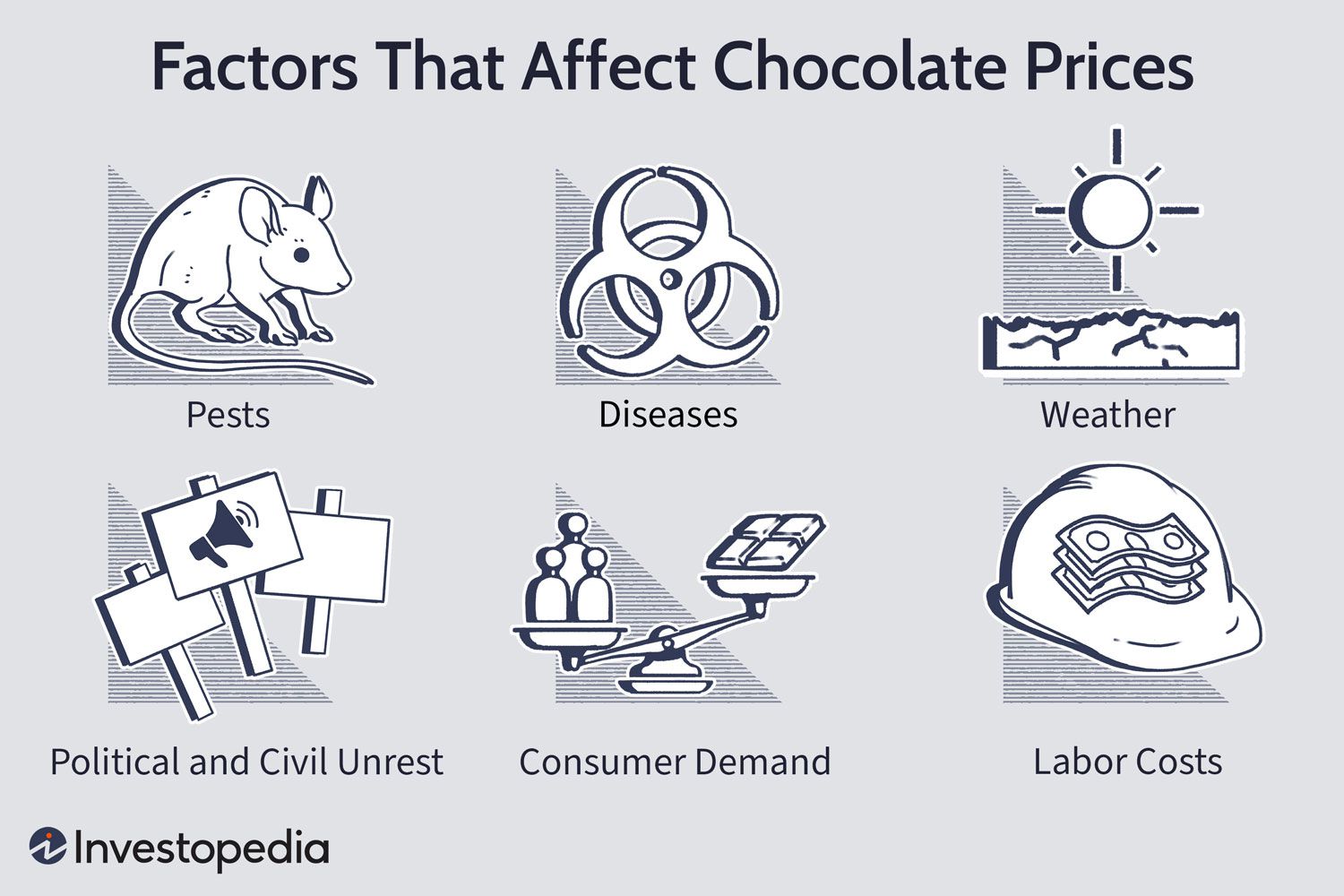
The surge in chocolate prices in 2026 isn't just a temporary spike; it is a structural shift driven by supply chain bottlenecks and rising production costs. For home bakers, this means the days of buying bulk cocoa powder or premium chocolate bars at pre-2024 prices are likely over. The disconnect between falling raw cocoa futures and rising retail chocolate prices suggests that manufacturers are prioritizing margin recovery over passing savings to consumers, a trend expected to persist until late 2026 as new harvests from the Ivory Coast come online [[src-fallback-1]].
This price environment is quietly reshaping how chocolate is formulated and used. To maintain profitability, brands are stretching ingredients further, which can alter the texture and flavor intensity of the chocolate you buy [[src-fallback-2]]. For your baking, this requires a shift in strategy. Instead of relying on expensive, high-cocoa-percentage bars for every recipe, consider blending a smaller amount of premium chocolate with high-quality cocoa powder to achieve depth without the premium price tag.
Understanding these market forces helps you make smarter choices at the store. Watch for sales on cocoa powder, which often reacts faster to commodity price drops than finished chocolate bars. By adjusting your pantry staples and being selective about when to splurge on specialty ingredients, you can keep your baking projects manageable despite the ongoing chocolate price surge.
Details to compare
When the price of a standard bar jumps from $3 to $5, it’s easy to blame the manufacturer. The reality is that chocolate pricing has fractured into distinct segments, each reacting differently to the cocoa shortage. For home bakers, understanding these tiers matters because the "chocolate" in your pantry is no longer a single commodity.
The disparity stems from how manufacturers adjust recipes. While some brands maintain high cocoa butter content and absorb the cost, others substitute fats or reduce cocoa solids to keep shelves stocked. This creates a landscape where two bars with similar packaging can have vastly different culinary performance and price points. You are not just paying for cocoa; you are paying for the percentage of actual cocoa butter versus filler fats.
To navigate this, you need to look beyond the front label. The following breakdown highlights the key variables that determine current market prices, helping you decide where to spend your budget and where to look for alternatives.
| Factor | Price Impact | Baking Result |
|---|---|---|
| Cocoa Butter Content | High | Affects melt and texture; lower content leads to grainy results. |
| Sugar Substitutes | Medium | Changes sweetness profile and browning speed in ovens. |
| Origin Premium | Variable | Minor flavor nuance; mostly drives retail markup. |
| Supply Chain Fees | High | None directly; passed on as higher shelf price. |
How to decide
When chocolate prices stay high, the goal isn’t to find the cheapest bar—it’s to find the one that fits your baking needs without breaking the bank. The industry is stretching formulas, so checking the label is the first step in protecting your recipe’s integrity.
:max_bytes(150000):strip_icc()/Chocolate-Prices-Are-Skyrocketing-FT-BLOG0319-634743257dce4ea4b330f00d899584ff.jpg)
High cocoa content means more flavor per gram. If a recipe calls for 100g of chocolate, a 70% bar delivers significantly more chocolate essence than a 50% bar. This allows you to use less product to achieve the same taste, effectively lowering the cost per serving even if the upfront price is higher.
Manufacturers are often replacing expensive cocoa butter with vegetable oils or other fats to keep costs down. These substitutes melt differently and can make ganache grainy or cookies cakey. If you are making delicate tempering or smooth mousses, avoid bars with non-cocoa fats. For sturdy brownies or chewy cookies, these bars work fine and save money.
A smaller, premium bar might cost less per ounce than a large, lower-quality block. Calculate the cost per 100g. Often, mid-range baking bars (not necessarily branded "baking chocolate") offer the best balance of cocoa content and price, avoiding the markup of luxury gift bars while delivering better quality than budget confectionery.
If you must use a cheaper, higher-sugar bar, reduce the added sugar in your recipe. These bars often contain 30-40% more sugar than pure baking chocolate. Compensating for this extra sweetness prevents your final product from being cloying and helps mask the lower cocoa intensity.
What to avoid
Common questions
Why are chocolate prices still high if cocoa futures have dropped?
Cocoa futures have fallen over 70% from their 2024 peak, but this doesn't immediately translate to cheaper bars. Manufacturers bought their cocoa supply months in advance at record-high prices. Retail prices typically lag behind commodity markets by several months. You can expect to see price reductions starting in mid-2026, once companies sell through their expensive inventory and lock in cheaper new harvests from the Ivory Coast.
Is it worth buying dark chocolate or milk chocolate right now?
Both types are expensive, but dark chocolate often shows the steepest recent hikes. The 18% EU-wide price surge in 2025 hit all categories, but premium dark chocolates saw sharper increases due to higher cocoa solid content. Milk chocolate manufacturers sometimes use more sugar and milk powder to dilute costs, which might offer slightly better value. However, the difference is narrowing as raw material costs remain elevated.
Will chocolate prices go back to 2023 levels?
Unlikely in the near term. While the worst of the supply shock may be passing, the structural damage to West African crops means cocoa production won't fully recover for years. Even if futures stabilize, the "new normal" for chocolate prices will likely be 20-30% higher than pre-2024 levels. Home bakers should plan for this increased baseline cost rather than expecting a return to previous cheap prices.
How much should I expect to pay for baking chocolate in 2026?
Expect to pay a premium of 15-20% for baking bars and chips compared to last year. The initial weeks of 2026 saw prices soar 14.4% year-over-year. While this pace may slow, the absolute cost remains high. Consider buying in bulk from warehouse clubs or switching to cocoa powder for some recipes, as powder prices have risen less aggressively than solid chocolate bars.
No comments yet. Be the first to share your thoughts!