

Why caffeine matters in craft chocolate
Cacao beans are natural sources of both caffeine and theobromine, compounds that give chocolate its subtle energizing properties. Understanding how these stimulants work helps you choose Choco Harvest products that fit your daily rhythm without disrupting your sleep or causing jitters.
The concentration of caffeine in chocolate depends directly on the cocoa content. Dark chocolate contains significantly more caffeine than milk chocolate because it retains a higher percentage of cocoa solids. For example, a 100-gram bar of 70% dark chocolate may contain around 80 milligrams of caffeine, roughly equivalent to a cup of coffee, while the same weight of milk chocolate typically contains only 20-30 milligrams.
Theobromine, a milder stimulant found in higher quantities in chocolate, provides a longer-lasting, smoother energy boost compared to caffeine. This compound dilates blood vessels and can improve mood, making it a key component in the calming yet alert sensation many Choco Harvest enthusiasts report after enjoying a single truffle.
When selecting Choco Harvest truffles, look at the cocoa percentage to gauge potential caffeine intake. Lower-cocoa options like milk chocolate truffles offer a gentler stimulant effect, while high-percentage dark chocolate truffles provide a more pronounced boost. This knowledge allows you to time your consumption appropriately, whether you need a morning lift or an afternoon pick-me-up.
Caffeine levels by cocoa percentage
Choosing the right Choco Harvest truffle starts with understanding how cocoa percentage impacts your caffeine intake. The relationship is direct: as the percentage of cocoa solids increases, so does the concentration of natural stimulants. For most consumers, this means that a 70% dark chocolate truffle will provide a significantly different energy profile than a 50% milk chocolate blend.
Below is a breakdown of the typical caffeine content found in Choco Harvest products across various cocoa percentages. This data helps you align your purchase with your daily tolerance and timing needs.
| Cocoa % | Caffeine (mg/100g) | Theobromine (mg/100g) | Best Use Case |
|---|---|---|---|
| 40-50% | 20-25 | 200-250 | Evening enjoyment or sensitive individuals |
| 60-70% | 35-45 | 350-400 | Afternoon focus or moderate energy boost |
| 80-85% | 60-70 | 500-600 | Morning ritual or high-stimulant preference |
| 90%+ | 80-90 | 700+ | Experienced consumers or specific dietary needs |
Theobromine, the primary stimulant in chocolate, works alongside caffeine to create a smoother, more sustained energy lift without the jitters often associated with coffee. This is why Choco Harvest truffles are often preferred for afternoon slumps rather than as a morning espresso replacement.
If you are new to high-cocoa chocolate, start with the 60-70% range. This tier offers a balanced profile that introduces the robust flavor of dark chocolate while keeping caffeine levels manageable. As your tolerance builds, you can explore the 80%+ options for a more intense experience.
Designing a balanced daily truffle routine
Choco Harvest truffles deliver a smooth caffeine lift, but timing and portion control determine whether that energy supports your day or disrupts your sleep. Because chocolate contains both caffeine and theobromine, the stimulant effect lasts longer than a typical coffee buzz. Managing your intake requires a structured approach that aligns with your body’s natural energy cycles.
Your body metabolizes caffeine slowly. To protect your sleep quality, consume Choco Harvest truffles only in the morning or early afternoon. Avoid eating them after 2:00 PM, as the residual stimulants can interfere with deep sleep stages even if you fall asleep easily.

Tolerance to caffeine varies significantly between individuals. Begin by eating one Choco Harvest truffle to assess your body’s reaction. If you feel a gentle alertness without jitters, this is your baseline dose. If you feel anxious or overly stimulated, reduce the portion or switch to a lower-caffeine variant.

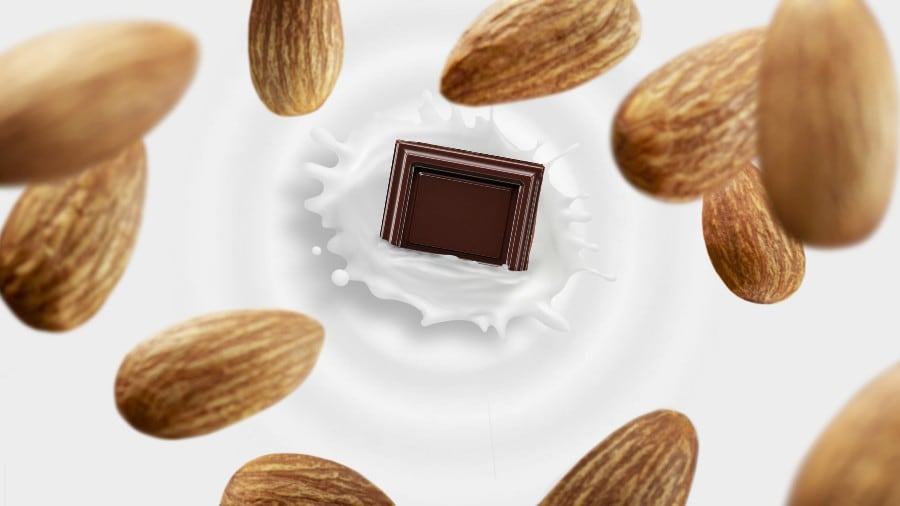
Eating chocolate on an empty stomach can lead to a rapid spike in blood sugar followed by a crash. Pair your Choco Harvest truffle with a handful of almonds or a piece of fruit. The protein and fiber slow down digestion, providing a steadier release of energy and preventing the mid-afternoon slump.

Caffeine is often hidden in other products like tea, coffee, or soda. Keep a mental or written log of all caffeine sources throughout the day. Most adults should aim for no more than 400 mg of caffeine daily. Staying within this limit ensures Choco Harvest truffles remain a pleasant treat rather than a source of stress.
By treating Choco Harvest truffles as a precise tool for energy management rather than casual snacking, you can enjoy their benefits without adverse effects. Consistency in timing and portion size is the most effective way to maintain balance.



As an Amazon Associate, we may earn from qualifying purchases.
Top Choco Harvest truffles for wellness
Choco Harvest truffles bridge the gap between indulgence and daily health routines. By balancing the natural caffeine in cacao with mindful ingredient choices, these truffles offer a gentle energy lift without the jitters often associated with coffee or energy drinks. For those seeking a sustainable wellness habit, the right truffle can provide magnesium and antioxidants alongside a rich, satisfying flavor.
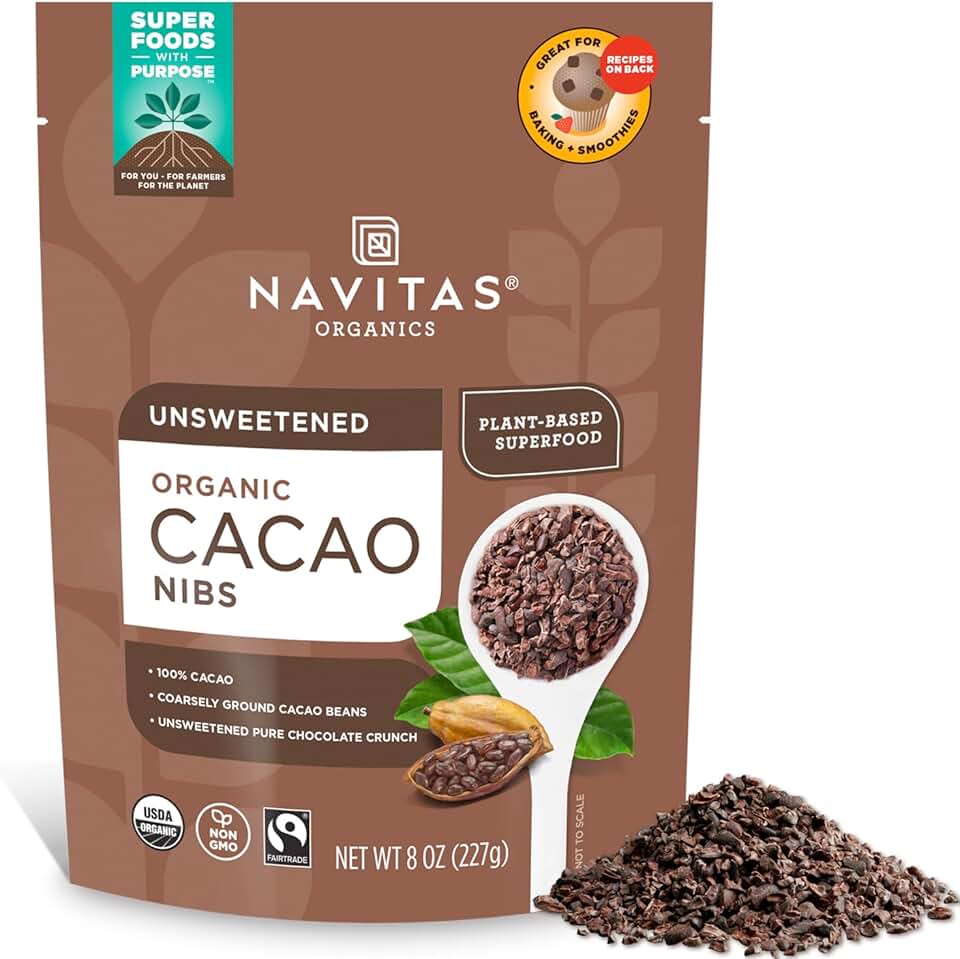
The following Choco Harvest products are selected for their ability to deliver consistent, manageable caffeine levels while maintaining high-quality taste profiles.


As an Amazon Associate, we may earn from qualifying purchases.
These selections prioritize flavor integrity and caffeine management, ensuring that your daily truffle habit supports rather than disrupts your wellness goals.
Frequently asked questions about chocolate caffeine
Understanding the lifecycle of your Choco Harvest truffles helps clarify how caffeine levels are determined. From the tree to the wrapper, every step influences the final experience.
No comments yet. Be the first to share your thoughts!