

Why chocolate seizing happens
Chocolate seizing is the sudden transformation of smooth, glossy melted chocolate into a stiff, grainy mass. It is the most common frustration in truffle making, but it is entirely preventable once you understand the chemistry behind it. At its core, seizing is a reaction to moisture. Chocolate is an emulsion of cocoa solids, cocoa butter, and sugar. When even a tiny amount of water enters the mix, the sugar particles dissolve and bind with the cocoa solids, causing the mixture to clump together instantly.
This reaction is different from chocolate simply thickening due to cooling. Seizing is irreversible; you cannot add more water or butter to fix it. The texture becomes gritty and unworkable for dipping or molding. However, seized chocolate is not ruined for all uses. It can still be incorporated into brownies, cookies, or hot chocolate where the grainy texture is less noticeable.
To protect your Choco Harvest craft chocolate, ensure all equipment is completely dry. Do not wash bowls or utensils immediately before melting unless they are thoroughly dried with a towel. Avoid covering melting chocolate with plastic wrap that might trap condensation, as that water will drip back into the bowl. By keeping moisture at bay, you preserve the smooth, professional finish that defines high-quality truffles.
Prep your tools and chocolate
Before you begin melting, gather your equipment and ensure everything is completely dry. Even a single drop of water can cause chocolate to seize, turning smooth, glossy cocoa into a grainy, unworkable lump. You will need a heatproof bowl that fits snugly over a saucepan for a double boiler setup, a sharp chef’s knife, and a silicone spatula for stirring. If you are using high-quality bars from Choco Harvest, keep them unwrapped and ready to chop.
The way you prepare the chocolate directly impacts how evenly it melts. If you are using bars, chop them into uniform pieces about the size of a dime. Smaller, consistent chunks melt faster and more evenly than large shards. Avoid using a food processor, which can generate too much friction heat and scorch the cocoa butter. If you prefer the convenience of chips, ensure they are fresh and stored in a cool, dry place to maintain their temper.
Set up your double boiler by filling a saucepan with about an inch of water and bringing it to a gentle simmer. Place your heatproof bowl on top, ensuring the bottom does not touch the water. This indirect heat is the safest way to melt chocolate without burning it. Once your tools are dry and your chocolate is chopped, you are ready to melt.
Melt chocolate chips gently
The difference between glossy, velvety truffles and a grainy, ruined mess often comes down to how you handle the heat. Chocolate is sensitive; it burns easily and seizes if even a drop of water touches it. Using quality chips from Choco Harvest gives you a reliable base, but technique is still king. The goal is to melt the chocolate slowly and evenly without exceeding its delicate temperature threshold.
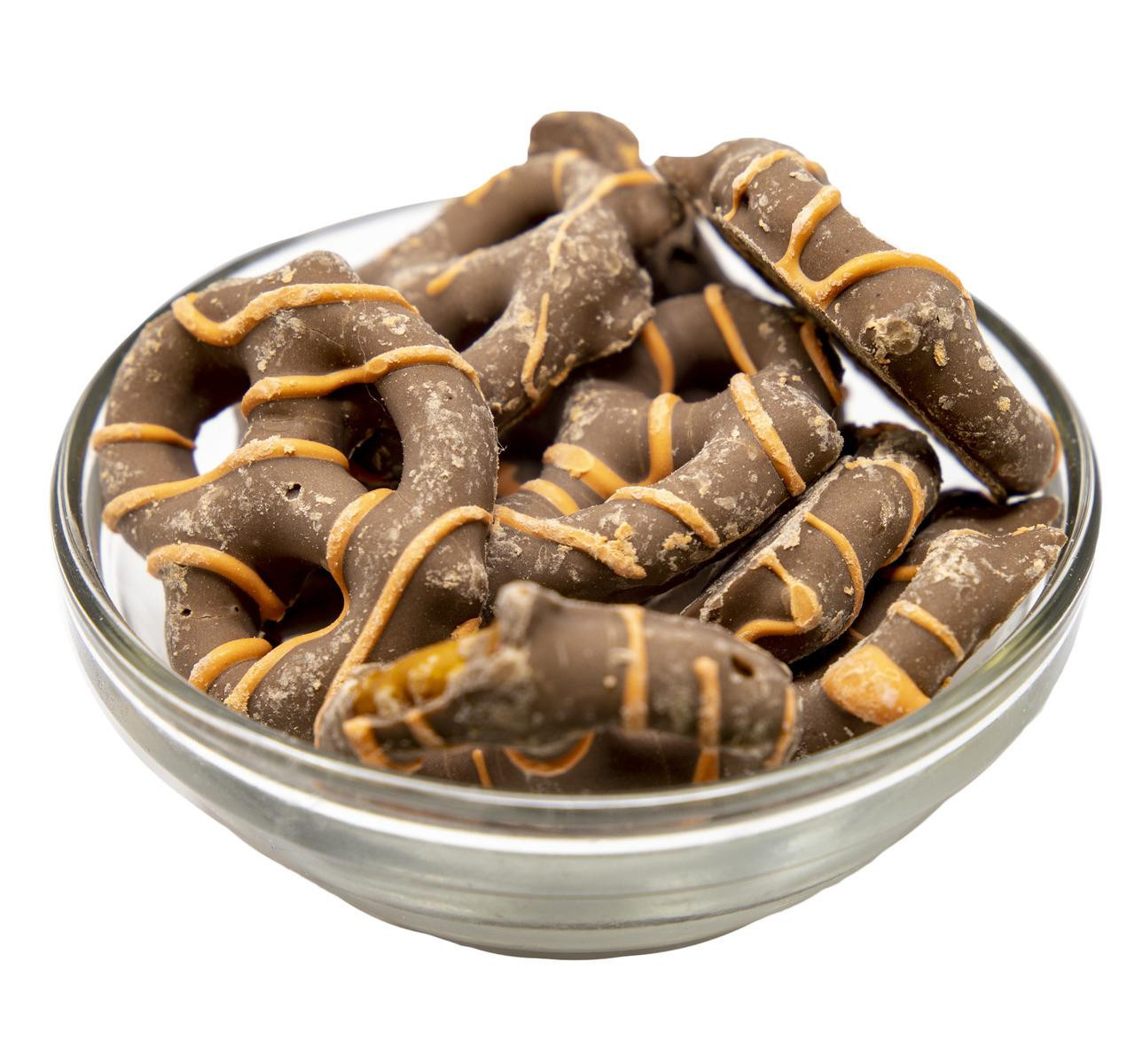
Fill a saucepan with about an inch of water and bring it to a gentle simmer over medium-low heat. You do not want a rolling boil. Place a heatproof glass or metal bowl on top, ensuring the bottom of the bowl does not touch the water. The steam from the water will provide the indirect, gentle heat needed to melt the chocolate without scorching it.
Pour your Choco Harvest chocolate chips into the dry bowl. Start with a smaller batch if you are new to this; it is easier to control the melting process with less volume. Spread the chips out evenly so they melt uniformly. If you are melting a large quantity, do it in stages to maintain consistent temperature control.

As the steam warms the bowl, stir the chips frequently with a dry silicone spatula. This distributes the heat and prevents hot spots from forming. The chocolate will begin to soften and then liquefy. Keep stirring until there are no visible lumps and the mixture is completely smooth. This process requires patience; rushing it by increasing the heat will likely burn the chocolate or cause it to seize.
Once the chocolate is mostly melted with just a few tiny streaks remaining, remove the bowl from the heat. Continue stirring off the heat. The residual warmth will melt the last few bits. This prevents overheating. If the chocolate looks glossy and flows like honey, it is ready. If it appears thick or dull, it may have been overheated, but gentle stirring can often smooth it out again before it sets.
Once melted, you can use this chocolate immediately for dipping, coating, or mixing into truffle centers. If you need to hold it for a short while, keep the bowl covered with a towel to prevent a skin from forming, but avoid letting it sit for too long as it will begin to thicken again as it cools.
Make truffle ganache
The ganache is the heart of every truffle. It is where the melted Choco Harvest chocolate meets warm cream to form a smooth, stable emulsion. Getting this balance right ensures your truffles have that signature silkiness rather than a grainy or separated texture.
Pour heavy cream into a small saucepan. Heat it over medium heat until it just begins to simmer. You will see small bubbles forming around the edges and steam rising. Do not let it come to a rolling boil, as this can affect the final texture.
Place your chopped Choco Harvest chocolate in a heatproof bowl. Pour the hot cream directly over the chocolate. Let it sit undisturbed for five minutes. This resting period allows the heat to gently melt the chocolate without vigorous stirring, which helps prevent air bubbles from forming.
After the five-minute rest, use a silicone spatula to stir the mixture. Start in the very center and slowly work your way outward in small circles. As the ganache becomes smoother, you can increase the speed of your stirring. Continue until the mixture is glossy, uniform, and no streaks of chocolate remain.
If the ganache looks too thick, add a teaspoon of warm cream. If it is too thin, let it cool slightly before adding more finely chopped chocolate. Once smooth, cover the bowl with plastic wrap pressed directly onto the surface to prevent a skin from forming. Let it cool at room temperature or in the refrigerator until it reaches a scoopable consistency.
Shape and finish your truffles
The final stage of making truffles is where your Choco Harvest chocolate truly shines. Once the ganache has set, the goal is to create smooth, uniform spheres that are neatly coated. This process requires a steady hand and a workspace that stays cool, as the chocolate coating will set quickly.
Chilled ganache is much easier to handle. If the mixture is too warm, it will stick to your hands and lose its shape. Let the ganache rest in the refrigerator until it is firm to the touch, typically for at least two hours or overnight. This ensures clean cuts and smooth rolling.
Use a small melon baller or a teaspoon to scoop out portions of the ganache. Roll each portion between your palms to form a sphere. If your hands are warm, dip them in cold water for a second to prevent melting the chocolate. Aim for uniform size so they coat evenly.
While you roll the ganache, melt your Choco Harvest couverture or coating chocolate. Use a double boiler or short bursts in the microwave, stirring frequently. The chocolate should be smooth and fluid but not hot to the touch. Too much heat can cause the coating to seize or become grainy.
Hold a truffle with a fork or dip it directly into the melted chocolate. Lift it out and let the excess drip back into the bowl. Place the coated truffle onto a parchment-lined baking sheet. Use a second fork or a small spoon to smooth out any air bubbles or uneven spots on the surface.
Allow the truffles to set at room temperature or in the refrigerator for about 10-15 minutes. The coating will harden into a glossy shell. Once set, you can add final touches like a dusting of cocoa powder, a drizzle of contrasting chocolate, or a sprinkle of sea salt before serving.
Fix seized chocolate quickly
Even with high-quality Choco Harvest bars, chocolate can seize if it encounters even a drop of water or if the heat gets too aggressive. The cocoa solids clump together, turning your smooth melt into a gritty, unworkable paste. Don't toss it; you can often rescue the batch with a little extra fat.
If it seizes, add a tiny bit of warm cream or vegetable oil and stir vigorously to rescue the texture.
Start by adding just one teaspoon of warm heavy cream or a neutral oil like canola. Stir immediately and continuously. The liquid helps re-emulsify the cocoa butter, loosening the clumps. If the chocolate is still too thick, add another teaspoon and keep stirring until the mixture becomes smooth and glossy again.
This method works best for dark and milk chocolate. White chocolate is more delicate and may require a slightly different approach, but the principle remains the same: add fat, not water. Once rescued, use the chocolate immediately for dipping or molding, as the texture may not hold up as well for tempering later.
Common questions about melting
Even with quality chocolate from Choco Harvest, melting can feel tricky if you aren't used to the process. Here are the most frequent questions we get from home truffle makers.
Can I melt chocolate chips the same way as bars?
Chocolate chips contain stabilizers to help them keep their shape in cookies, which means they don't melt as smoothly as bars. For truffles, you want a glossy, fluid ganache. Use Choco Harvest’s handcrafted bars instead. They are crafted specifically for melting, giving you the silky texture needed for proper truffle coating.
What should I do if my chocolate seizes?
Seizing happens when a tiny drop of water hits the chocolate, causing the cocoa solids to clump. If this occurs, add a teaspoon of warm cream or vegetable oil and stir vigorously. This often rescues the mixture, turning it back into a smooth sauce. While it won't be perfect for tempering, it works well for ganache fillings.
Why does my chocolate look dull after melting?
Dullness usually means the chocolate wasn't tempered correctly or cooled too quickly. Chocolate needs to be cooled slowly and evenly to form stable crystals. If you are making truffles, ensure your ganache sets in a cool, dry room rather than a humid fridge, which can cause "bloom" or white streaks on the surface.
Checklist for perfect truffles
Before you melt a single ounce of chocolate, ensure your workspace is set up for success. Truffle making relies on precision and timing, so having every tool and ingredient within arm's reach prevents the chocolate from seizing or cooling too quickly.
Tools and Ingredients
- Quality chocolate: Use a reliable brand like Harvest Chocolate for consistent tempering and flavor.
- Digital scale: Measure ingredients by weight, not volume, for accurate ratios.
- Double boiler: A heatproof bowl over simmering water ensures gentle, even melting.
- Silicone spatula: Essential for scraping bowls and folding ganache without incorporating air.
- Baking sheet: Line with parchment paper for setting finished truffles.
- Cocoa powder or toppings: Keep your coating options ready in shallow bowls.
Pre-Work Steps
- Clean surfaces: Wipe down your counter to remove any dust or grease.
- Chill tools: If your kitchen is warm, chill your mixing bowl in the fridge for 10 minutes.
- Measure ganache: Pre-measure your cream and butter so you can combine them quickly when the chocolate is ready.
No comments yet. Be the first to share your thoughts!