

5 2026 guide: How to Melt Chocolate Chips Without Burning - 5 Foolproof Methods
Melting chocolate chips without seizing or burning requires precise heat management and constant agitation. These five methods prioritize speed and texture control, letting you choose the best approach for your specific recipe constraints.
1. The double boiler method for precise temperature control
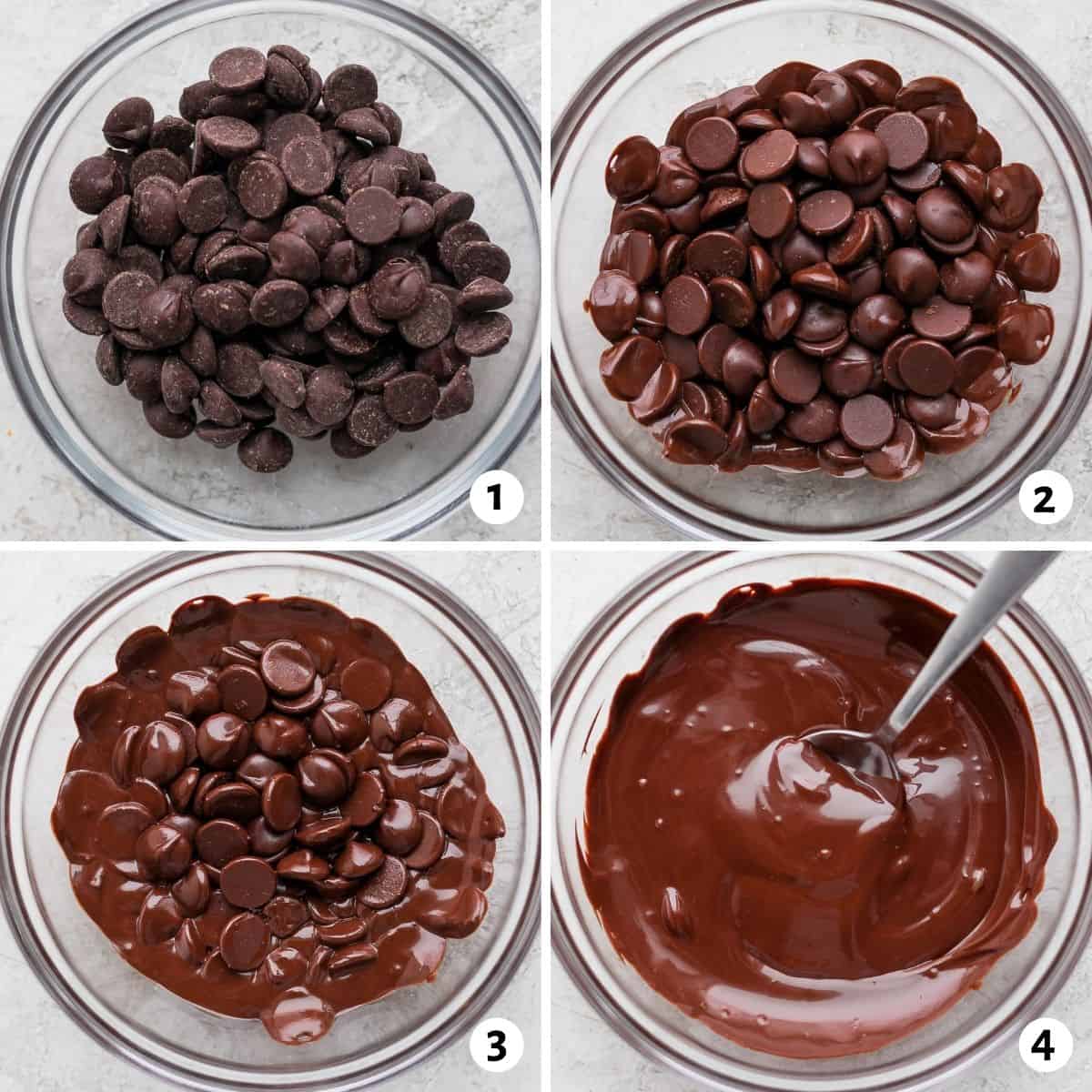
Fill a saucepan with an inch of water and bring it to a gentle simmer, then place a heatproof bowl on top. The steam provides indirect, consistent heat that prevents the chocolate from scorching, making this the safest option for tempering or making smooth ganache.
Keep the bottom of the bowl from touching the water to avoid uneven heating. Stir constantly with a silicone spatula until the chips are completely smooth, removing the bowl from the heat immediately once the melt is complete to stop the cooking process.
:max_bytes(150000):strip_icc()/Simply-Recipes-Snickers-Dates-METHOD-04-568256d5d86b42b79377555bdb48e5db.jpg)
2. The microwave method for speed and convenience
Place chocolate chips in a microwave-safe bowl and heat them in 30-second intervals on medium power. This lower power setting allows the heat to distribute evenly through the chips without creating hot spots that can burn the cocoa solids.
Remove the bowl after each interval and stir thoroughly before returning it to the microwave. Even if the chips look mostly melted, the residual heat will continue to melt the remaining solid bits, resulting in a glossy finish without the need for additional cooking time.

3. The stovetop direct heat method for quick small batches
Use a heavy-bottomed saucepan over very low heat and add the chocolate chips directly to the dry pan. This method is faster than a double boiler but requires constant vigilance, as the direct contact with the metal can cause burning within seconds if the heat is too high.
Stir continuously with a heat-resistant spatula, scraping the bottom and sides of the pan to ensure even melting. Once the chips are mostly liquid, remove the pan from the burner and keep stirring until smooth, using the residual heat to finish the job.
:max_bytes(150000):strip_icc()/fileTRQfvw-a705e96b92b6477ea628f49557667a6f.jpg)
4. The oven method for melting large quantities evenly
Preheat your oven to a low temperature, around 175°F (80°C), and spread the chocolate chips in a thin, even layer on a baking sheet. The ambient heat of the oven melts the chocolate gradually and uniformly, which is ideal for large batches needed for coating or dipping.
Check the chocolate every five minutes and stir gently to redistribute the melting chips. The process takes longer than stovetop or microwave methods, but it requires minimal active attention and reduces the risk of scorching due to the gentle, surrounding heat.
5. The water bath immersion method for precise small portions
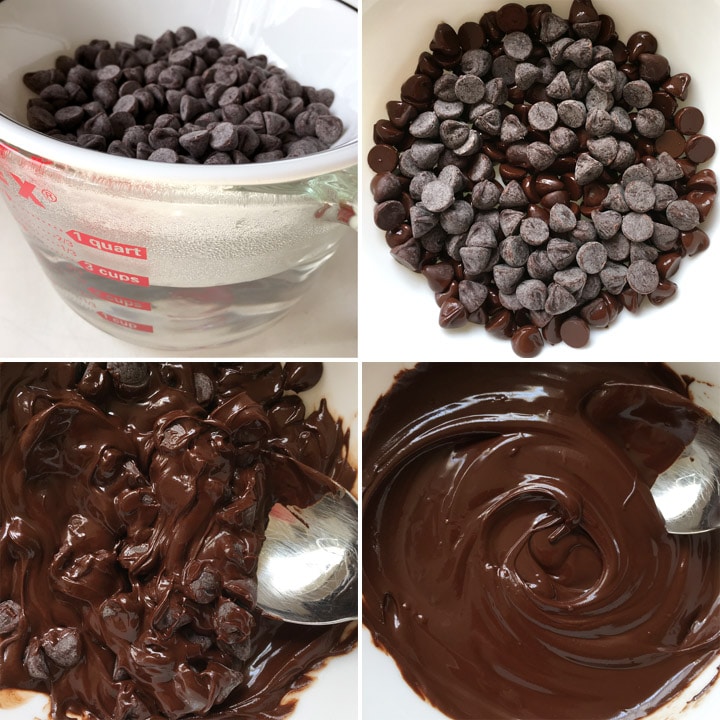
Fill a larger bowl with warm water and place a smaller bowl containing chocolate chips into it, ensuring the water level does not splash into the chocolate. This technique offers a middle ground between the double boiler and direct heat, providing gentle warmth that is easy to control.
Stir the chocolate occasionally as it melts, checking the water temperature to ensure it stays warm but not hot. This method is particularly useful when you need to keep the chocolate melted for a short period while working on other tasks, as the water bath maintains a stable temperature.
What to know first
Melting chocolate chips is a small task with high stakes. One minute too long in the microwave or a splash of water in the bowl can turn smooth chocolate into a grainy, seized mess. We tested five common methods to find the ones that actually work without constant supervision.
Our selection process focused on reliability and safety. We prioritized methods that minimize heat exposure and allow for easy temperature control. The microwave method made the list only because of its speed, but we included strict timing guidelines to prevent burning. The stovetop and oven methods were evaluated for their ability to produce the smoothest texture, while the double boiler and slow cooker options were tested for convenience when melting large batches.
The methods below are ranked by ease of use and consistency. For most home cooks, the microwave method with short intervals is the most practical. However, if you are tempering chocolate for a glossy finish, the stovetop or double boiler methods offer better control. Each method includes specific checks to ensure your chocolate stays fluid and shiny.
How to choose the right method
Selecting a melting method depends on your timeline, available tools, and the type of chocolate. Each approach offers a different balance of speed and control.
Best for speed and small batches. Use 15-second intervals, stirring between each burst. This method is forgiving for beginners but requires vigilance to avoid hot spots that scorch the chips.
Best for precision and large quantities. Indirect steam heat melts chocolate gently, preventing burning. It takes longer but offers the most consistent results for tempering or dipping.
Best for professional-grade smoothness. Similar to a double boiler but often using a dedicated insert, this method provides superior temperature control for delicate chocolate work.



As an Amazon Associate, we may earn from qualifying purchases.
Common questions about melting chocolate chips
Even with careful heat management, small details can change the outcome. Here are answers to the most frequent technical questions about melting chocolate chips without burning them.
These adjustments help ensure your chocolate stays fluid and glossy for dipping, drizzling, or folding into batters.
No comments yet. Be the first to share your thoughts!