

Make the recipe
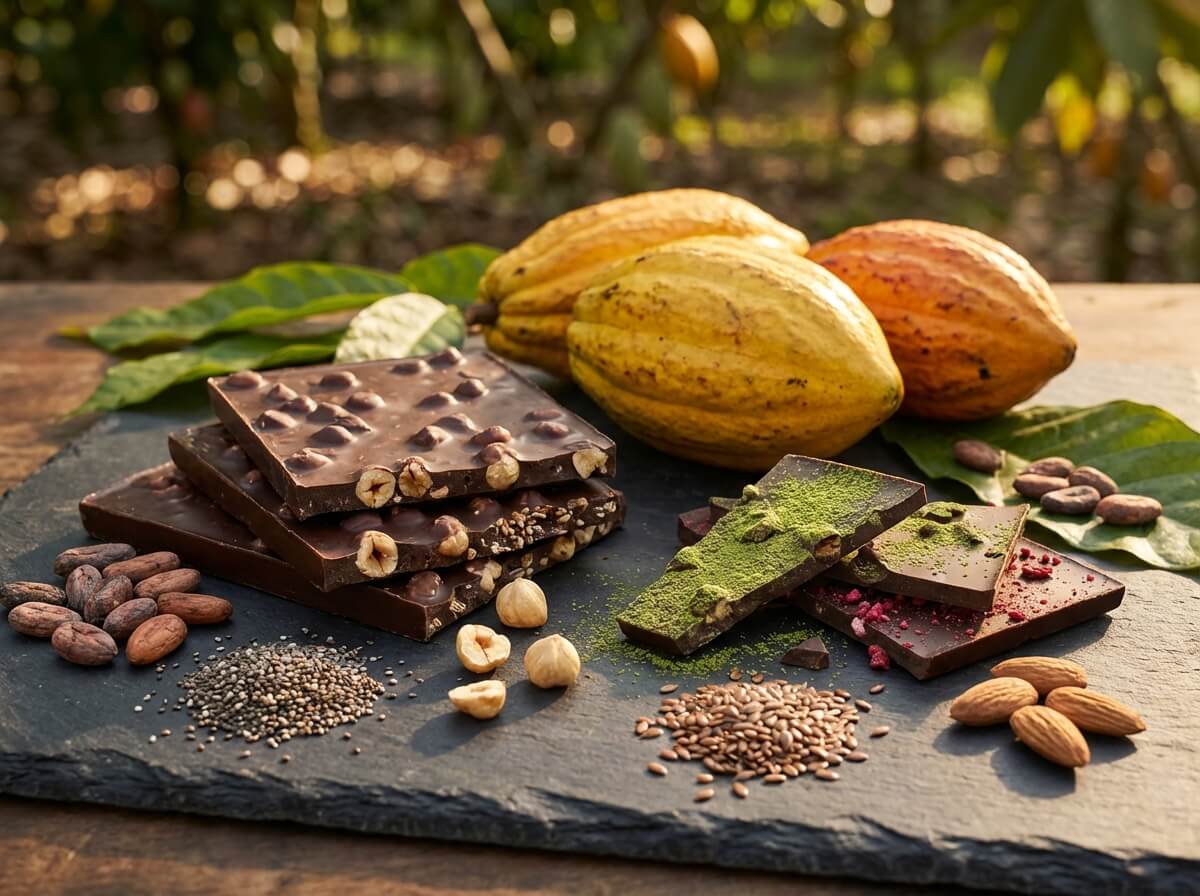
The Choco Harvest truffle blends the deep, earthy notes of craft chocolate with bright, natural fruit sweetness. This recipe skips refined sugar, relying on the inherent sweetness of the fruit and the richness of high-quality cocoa. The result is a dense, fudgy bite that melts slowly on the tongue.
Start by ensuring your chocolate chips are high-cacao and your fruit puree is thick. Thin purees can make the ganache too loose, forcing you to add more cocoa butter or extra chocolate to set properly. A stiff ganache is easier to roll and holds its shape better in warm kitchens.

These truffles keep well in the refrigerator for up to two weeks. Bring them to room temperature ten minutes before serving to allow the full flavor to develop. The natural fruit notes pair best with dark chocolate, creating a balanced sweetness that feels indulgent but light.
Keep the texture right
Good texture comes from matching the cooking cue to the food, not from trusting the timer alone. Check thickness, moisture, and doneness before changing the recipe.
-
Prep evenlyCut, roll, portion, or spread the mixture evenly so every piece cooks at the same pace.
-
Control moisturePat, drain, rest, or reduce wet ingredients when excess liquid would soften the final texture.
-
Use the doneness cueLook for the recipe-specific sign of doneness instead of stopping at the first browned edge.
-
Let it settleCool or rest the finished food long enough for steam and structure to stabilize.
Swaps that still work
Start with measured ingredients and pay attention to the texture cue in the method. Most recipe problems come from changing thickness, moisture, or heat without adjusting the timing.
Serve and store it
These truffles are best enjoyed within a week of making them, though they can last up to two weeks if stored correctly. The key to maintaining their texture lies in how you handle temperature and humidity. Chocolate is sensitive to moisture, which can cause sugar to bloom and create a grainy surface. It’s also prone to absorbing odors from the refrigerator, so an airtight container is non-negotiable.
Store the truffles in a single layer, separated by parchment paper if you need to stack them. Keep them in the coldest part of your refrigerator, away from strong-smelling foods like onions or cheese. For longer storage, you can freeze them for up to three months. Place them in a freezer-safe bag with all the air squeezed out. When ready to eat, let them thaw in the refrigerator overnight before bringing them to room temperature.
When serving, take the truffles out of the fridge at least 30 minutes before plating. This allows the ganache to soften slightly, releasing the full aroma and flavor profile. If you’ve dusted them with cocoa powder or rolled them in nuts, serving them cold keeps the coating intact. However, for a smoother mouthfeel, room temperature is ideal.
Pair these truffles with coffee or tea to balance the richness. They also make a stunning addition to a dessert charcuterie board alongside fresh berries or crackers. Avoid leaving them out for more than two hours, especially in warm weather, as the chocolate will begin to soften and lose its shape.
Choco harvest: what to check next
Many home chocolatiers wonder how Choco Harvest fits into the broader craft chocolate landscape, especially when compared to established bean-to-bar makers like Harvest Chocolate in Michigan. While Choco Harvest focuses on natural, guilt-free indulgence often using alternative sweeteners, traditional craft brands prioritize single-origin terroir and complex fermentation profiles. Understanding this distinction helps you choose the right base for your viral truffles.
If you are looking for specific product availability, Choco Harvest operates primarily through direct-to-consumer channels and select boutique retailers. Their social media presence highlights seasonal releases and limited-edition truffle kits, which often sell out quickly. Checking their official Instagram for drop announcements is the most reliable way to stay updated on new stock.
For those concerned about dietary restrictions, Choco Harvest’s products are frequently marketed as vegan-friendly or sugar-free. However, always verify the label for potential allergens like nuts or soy lecithin, which are common in truffle coatings. Their commitment to 100% natural ingredients means fewer preservatives, so storing these chocolates in a cool, dark place is essential to maintain texture and flavor.
No comments yet. Be the first to share your thoughts!