

Start with quality beans
Start Choco Harvest with the constraint that matters most in real life: space, timing, budget, skill level, maintenance, or availability. That first constraint should shape the rest of the plan instead of appearing as an afterthought. Keep the first pass simple enough to verify. Compare the main options against the same criteria, remove choices that only work in ideal conditions, and save optional upgrades for later.
The simplest way to use this section is to write down the real constraint first, compare each option against it, and choose the path that still works outside ideal conditions.
Melt chocolate chips gently
Melting chocolate chips is the foundation of every truffle. If the heat is too high, the cocoa butter separates from the solids, leaving you with a grainy, seized mess that cannot be saved. The goal is smooth, fluid chocolate that flows like honey. We use two reliable methods: the double boiler for precision or the microwave for speed. Both require patience and a dry bowl.
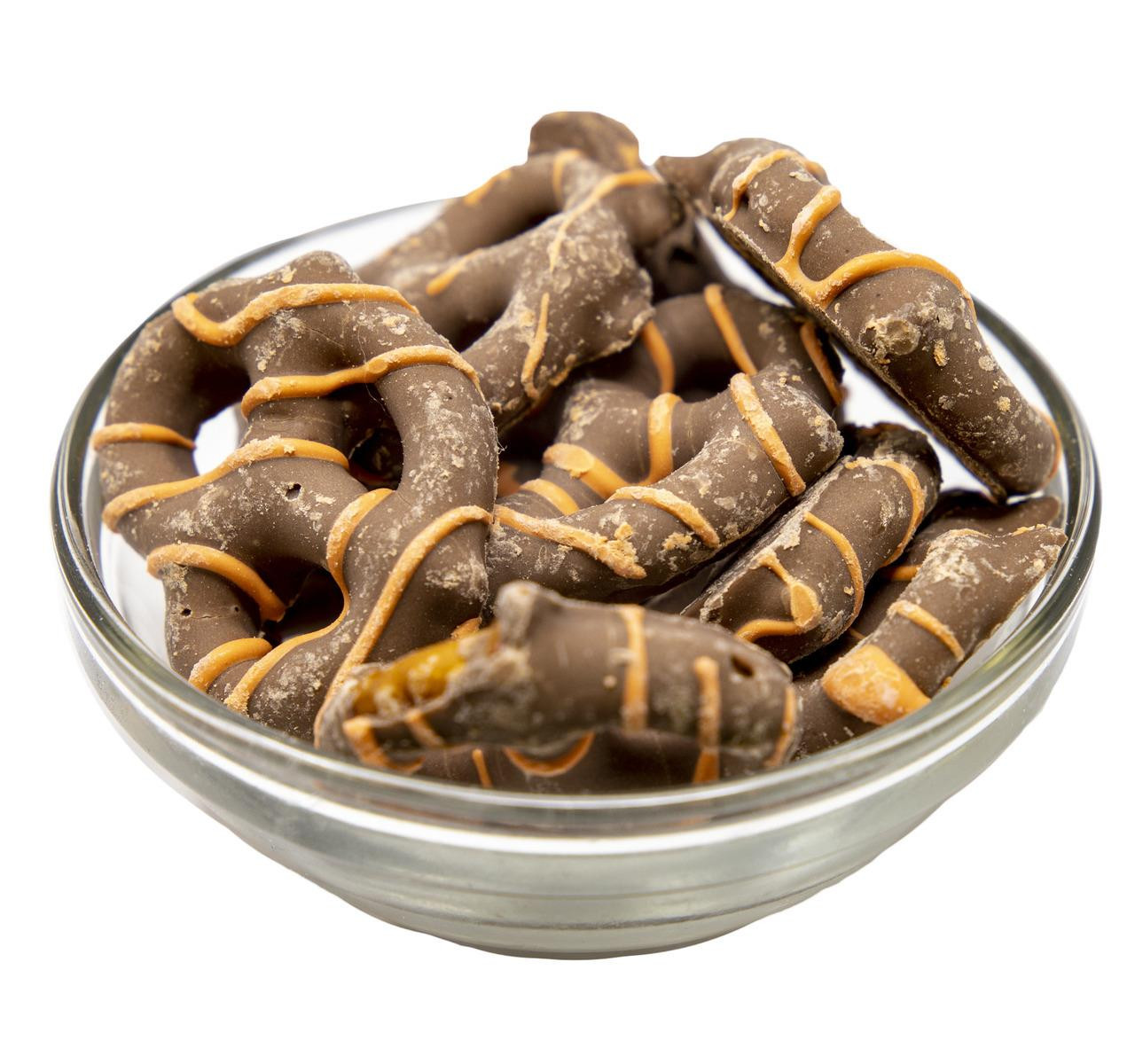
Water is the enemy of melting chocolate. Even a single drop can cause the chips to seize into hard, unusable lumps. Start by ensuring your mixing bowl is completely dry. If using a double boiler, make sure the bottom of the bowl sits above the simmering water, not touching it. Steam from the water below can also cause seizing, so keep the heat low and steady.

Fill a saucepan with an inch of water and bring it to a gentle simmer, then reduce the heat to low. Place your bowl of chocolate chips on top. Stir constantly with a heatproof spatula. The indirect heat is gentle and even, allowing the chocolate to melt slowly. This method takes about 5–10 minutes. Remove the bowl from the heat as soon as the chocolate is mostly melted and stir until smooth.
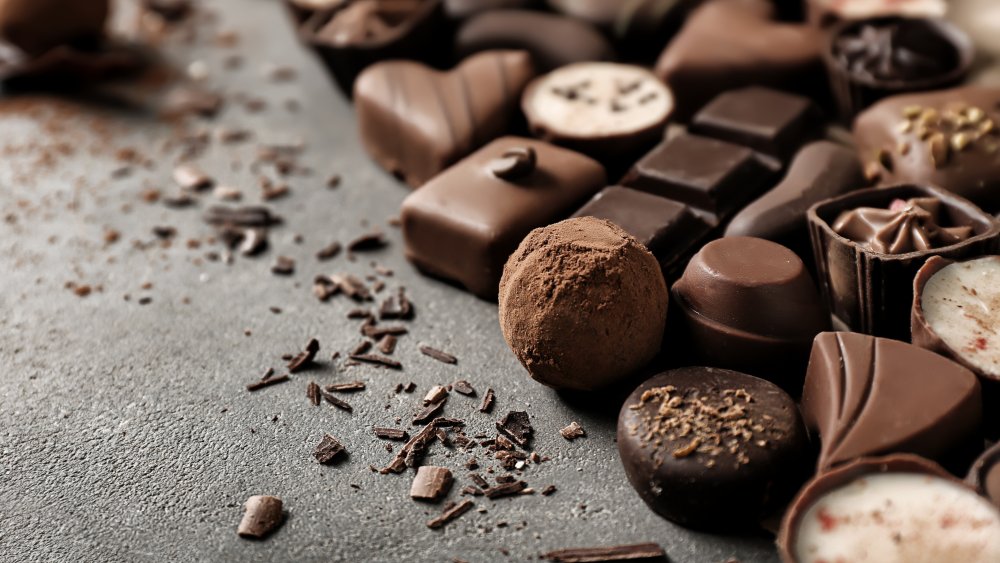
Place the chocolate chips in a microwave-safe bowl. Heat on 50% power in 30-second intervals. Remove the bowl after each interval and stir thoroughly. This distributes the heat and prevents hot spots. It may take 3–4 intervals to fully melt the chips. Stop heating when only a few small unmelted pieces remain; use the residual heat to stir them into a glossy finish.

The chocolate is ready when it is fully liquid, glossy, and free of lumps. If you see any graininess, it may have seized. To fix minor seizing, add one teaspoon of warm water or vegetable oil and stir vigorously. However, prevention is better than cure. Always keep your chocolate dry and your heat low. Once melted, use immediately for your truffle molds or dipping.
Craft smooth truffle centers
Choco Harvest works best as a clear sequence: define the constraint, compare the realistic options, test the tradeoff, and choose the path with the fewest hidden costs. That order keeps the advice usable instead of decorative. After each step, pause long enough to check whether the recommendation still fits the reader's actual situation. If it depends on perfect timing, unusual access, or a best-case budget, include a simpler fallback.

Check caffeine content
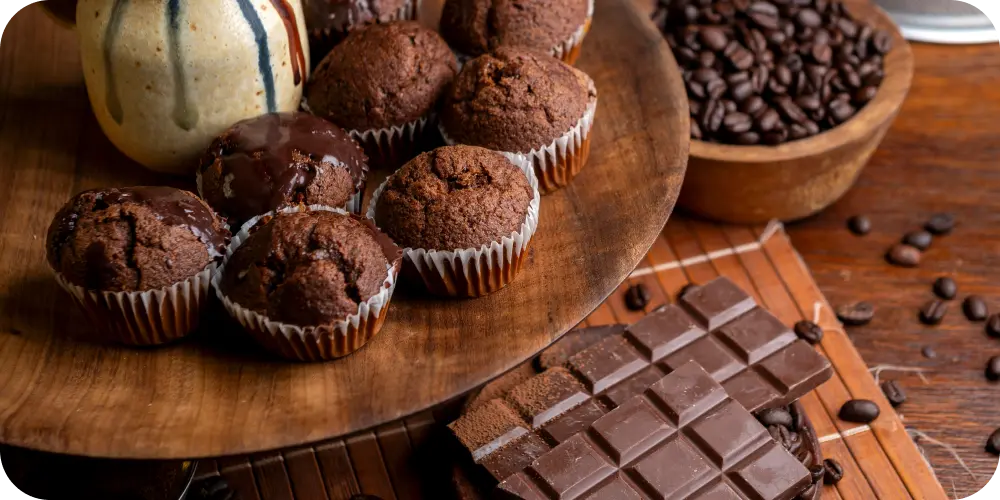
Before you melt your chips into truffles, take a moment to check the caffeine content on the package. This step matters if you are sensitive to stimulants or plan to serve your treats in the evening. While chocolate is not a coffee substitute, the difference between dark and milk chocolate is significant enough to change how you feel after eating a few pieces.
Dark chocolate typically contains about 20 to 45 milligrams of caffeine per ounce. Milk chocolate usually has less, often around 5 to 10 milligrams per ounce. Because you will be eating these truffles in one sitting, the total intake adds up quickly if you use high-cocoa-percentage chips. A single dark chocolate truffle might give you a gentle lift, but a handful could rival a weak cup of tea.
If you want to keep the energy low, stick to milk chocolate or white chocolate for your truffle base. These varieties have negligible caffeine levels. If you prefer the rich flavor of dark chocolate, consider making smaller truffles or mixing in a bit of white chocolate to dilute the caffeine density. This way, you get the deep cocoa flavor without the jitters.
Fix Common Melting Mistakes
Even careful chocolate makers hit snags when melting chips. The texture of your truffle filling depends entirely on a smooth, glossy melt. If the chocolate looks wrong, stop adding heat and address the issue before it ruins the batch.
Stop Seized Chocolate
Seizing happens when a drop of water or steam hits the chips, causing them to clump into a gritty, dry mass. This is common if the bowl isn't bone-dry or if condensation forms during microwaving. Once seized, chocolate cannot be fixed by stirring alone.
To prevent this, ensure every tool is completely dry. If the chocolate does seize, you can sometimes save it by adding a small amount of warm cream or vegetable oil and stirring vigorously to create a ganache base, though the texture will differ from a standard melt. For pure dipping or coating, it is best to start over to ensure the truffles set properly.
Smooth Out Grainy Textures
A grainy texture usually means the chocolate was overheated or the sugar crystals were damaged. This often occurs when melting is too rapid or the heat source is too direct. The chocolate may look curdled or separated.
If the chocolate looks grainy, remove it from the heat immediately. Add a teaspoon of neutral oil or cocoa butter and stir gently until smooth. This can sometimes mask minor textural issues. However, if the chocolate is scorched or smells burnt, discard it and start again. Properly melted Harvest Chocolate chips should look like liquid silk, not a thick paste.
Check for Proper Consistency
Before pouring your melted chips into molds or coating centers, check the consistency. It should flow easily but still coat the back of a spoon. If it is too thick, add a tiny amount of oil. If it is too thin, let it cool slightly. The goal is a uniform, glossy finish that sets with a clean snap.
Final quality checklist
Before you set the truffles aside to set, run through this quick verification. A few seconds of inspection now prevents wasted effort later.
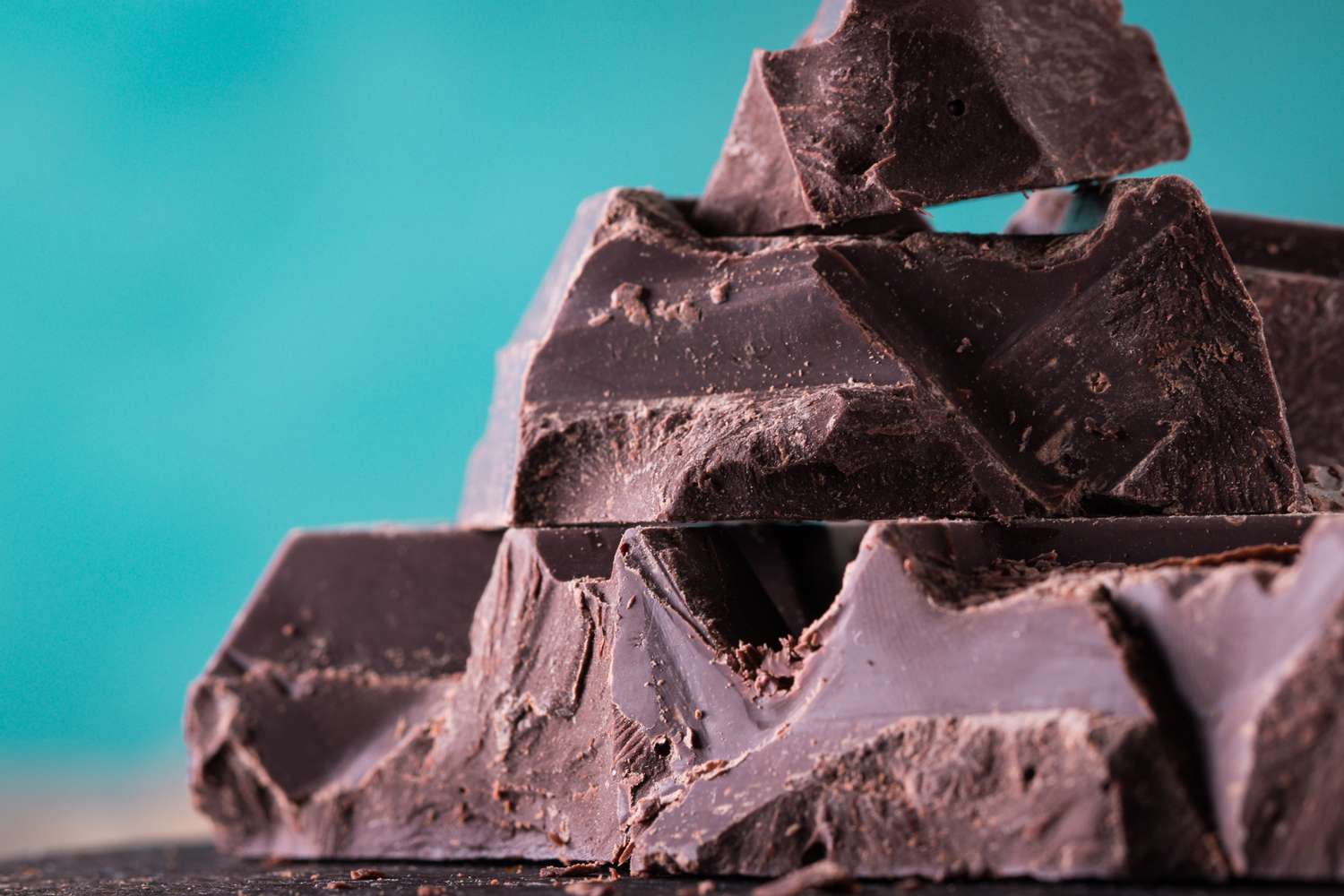
- Temperature check: Ensure the melted chocolate has cooled to the proper working temperature. It should feel warm, not hot, to the touch.
- Visual gloss: The surface should be smooth and shiny. Dullness often indicates improper tempering or moisture contamination.
- Consistency: The mixture must be thick enough to hold its shape when dropped from a spoon. If it is too runny, return it to gentle heat.
- Clean edges: Check the truffle shapes for any drips or rough edges. Smooth the base on parchment paper while still pliable.
No comments yet. Be the first to share your thoughts!