

Choose the right chips
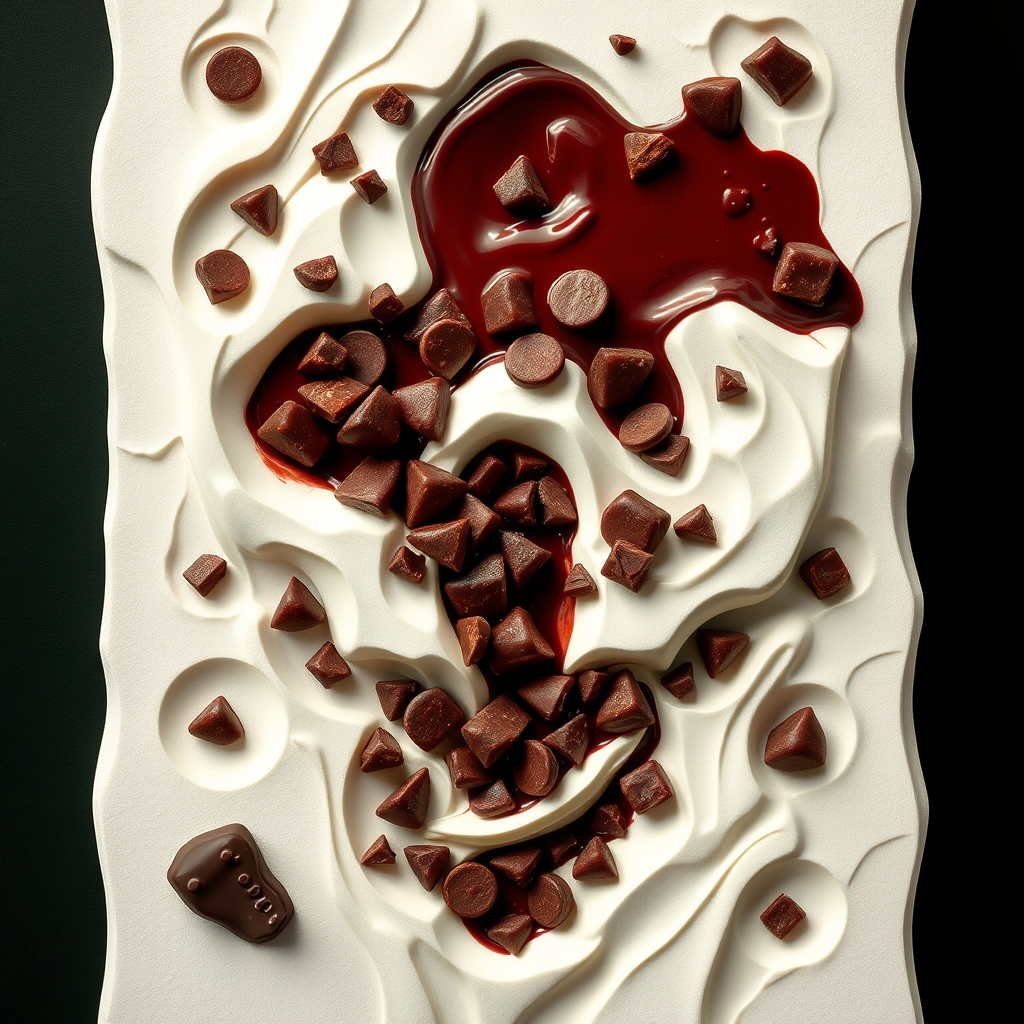
The foundation of a stable truffle ganache lies in the chocolate you select. Not all chocolate chips are created equal. While baking bars or couverture chocolate offer purity, they lack the stabilizers necessary for a quick, forgiving melt. For truffles, you need chocolate chips formulated to hold their structure during the emulsification process with cream or butter.
Standard baking chocolate often contains too much cocoa butter and no stabilizers. When you fold hot cream into pure chocolate, the result can be grainy or prone to seizing if the temperature fluctuates even slightly. Chocolate chips, by contrast, include additives like lecithin or vegetable fats that promote a smooth, glossy emulsion. This stability is non-negotiable when rolling truffles, as a broken ganache will not hold its shape.
Look for high-quality chocolate chips labeled for baking or dipping. Brands like Ghirardelli or Nestlé Toll House are widely available and contain the necessary stabilizers to ensure a reliable set. Avoid premium couverture bars unless you have experience tempering chocolate. For this specific task, the convenience and chemical stability of chips outweigh the nuanced flavor profiles of artisanal bars.
Selecting the correct chip simplifies the entire workflow. It allows you to focus on the ratio of chocolate to cream rather than fighting a broken sauce. Once you have your chips, you can proceed to the melting process with confidence that the base will remain smooth and workable.
Melt using the double boiler
The double boiler is the standard method for melting chocolate safely. It uses indirect steam heat to keep the chocolate warm enough to melt without scorching it. This technique gives you the most control over the final texture, which is essential for truffles.
You need a heatproof bowl that fits snugly over a saucepan. The bottom of the bowl should not touch the water in the pan. If the bowl touches the water, the heat transfer becomes too direct and aggressive, increasing the risk of burning the chocolate.
This method works because chocolate is sensitive to high temperatures. Direct heat from a pan or microwave can easily exceed the melting point, causing the cocoa butter to separate. The double boiler keeps the temperature steady and low, preserving the chocolate’s smooth consistency.
Always keep your tools completely dry. Moisture is the enemy of melted chocolate. If your bowl or spatula has water droplets, the chocolate will seize. Wipe everything down before you start. This simple precaution ensures your truffles turn out creamy and professional.
Check temperature and texture
Your chocolate is ready when it looks like liquid glass. It should be completely smooth, glossy, and free of any lumps or streaks. If you see grainy bits or a dull, matte finish, the chocolate hasn’t melted properly or may have seized.
Start by testing the texture. Dip a clean, dry spoon into the bowl and lift it out. The chocolate should coat the back of the spoon evenly. If it clumps or breaks apart, it needs more gentle heat or stirring. Avoid scraping the bottom of the bowl, where chocolate can burn easily. Instead, stir from the center outward to incorporate any unmelted bits.
Temperature matters just as much as appearance. For truffle ganache, melted chocolate should be between 90°F and 95°F (32°C–35°C). This range ensures it blends smoothly with warm cream without becoming too thin or seizing. If you don’t have a thermometer, use the wrist test: touch a small drop to the inside of your wrist. It should feel warm but not hot. If it stings, let it cool slightly before proceeding.
If your chocolate becomes too thick or grainy, it may have seized. This usually happens when even a tiny amount of water or steam touches the chocolate. To fix this, add a teaspoon of warm cream or vegetable oil and stir vigorously until smooth. However, prevention is better than cure—always keep your equipment completely dry and use low, indirect heat.
Fix seized or broken chocolate
Even experienced chocolatiers encounter chocolate that refuses to melt smoothly. These failures usually stem from two common mistakes: introducing moisture, which causes chocolate to seize into a gritty lump, or overheating, which separates the cocoa butter from the solids. Both issues are reversible if you act quickly.
Rescue seized chocolate
Chocolate seizes when even a small amount of water comes into contact with it. The sugar crystals clump together, creating a stiff, grainy mass that looks ruined. If you notice the texture change immediately, you can often save the batch.
Add one teaspoon of warm heavy cream (or another warm liquid like milk or water) to the seized chocolate. Stir vigorously and continuously. The added liquid dilutes the sugar crystals just enough to allow them to flow again, restoring a smooth, ganache-like consistency. This method works best for chocolate that has only just begun to seize.
Fix broken or separated chocolate
Chocolate breaks when it gets too hot. The cocoa butter separates from the cocoa solids and sugar, resulting in a greasy, oily pool with dry, clumpy solids floating in it. This often happens when melting chocolate in a microwave without stirring frequently or using a double boiler that is too hot.
To fix broken chocolate, remove it from the heat immediately. Stir in a small amount of room-temperature cocoa butter or neutral oil (like canola or vegetable oil). Add the oil one teaspoon at a time while stirring constantly. The additional fat helps re-emulsify the mixture, binding the separated solids back into the liquid fat. If the chocolate is only slightly separated, simply stirring in a tablespoon of room-temperature heavy cream can also help bring the emulsion back together.
Assemble and set truffles
The final stage transforms your melted chocolate and heated cream into a unified ganache, which will become the heart of your truffles. This process requires precision to avoid seizing or breaking the emulsion.
Allow the finished truffles to set at room temperature or in the refrigerator for thirty minutes before serving. Store in an airtight container in the refrigerator for up to two weeks, bringing them to room temperature twenty minutes before eating for the best flavor and texture.
Common melting mistakes
Even experienced chocolatiers encounter issues when melting chocolate chips for truffles. These problems usually stem from one simple cause: improper heat management or unwanted moisture. Watch for these pitfalls to ensure your ganache sets correctly.
Water contamination
Water is the enemy of chocolate. A single drop of water in your bowl can cause the chocolate to seize, turning it into a grainy, unworkable mass. This happens because cocoa solids clump together when exposed to moisture, breaking the emulsion. Keep all utensils, bowls, and surfaces completely dry. If your chocolate seizes, you cannot reverse it for truffles; you must start over with fresh chocolate.
Scorching
Chocolate burns easily because of its sugar and milk solids content. If you melt it over direct heat or leave it unattended, it can scorch, developing a bitter taste and a dark, uneven color. Always use low, indirect heat. Stir frequently to distribute warmth evenly. Remove the bowl from the heat source just before the chocolate appears fully melted, as residual heat will finish the job.
Incomplete melting
Under-melted chocolate chips result in lumpy truffles that do not have a smooth mouthfeel. Chips often contain stabilizers that make them hold their shape longer than couverture chocolate. Ensure the chocolate is fully fluid with no visible streaks before mixing it with cream or other ingredients. If lumps persist, your chocolate was either not hot enough or was contaminated with moisture.
No comments yet. Be the first to share your thoughts!