

Chocolate's AI Revolution Begins
For centuries, chocolate making has been a blend of art and agricultural understanding. From the ancient Olmecs and Mayans to the European chocolatiers of the 19th century, the process relied heavily on human skill and experience. Now, we’re on the cusp of a new era – one where artificial intelligence is poised to reshape nearly every aspect of the chocolate world. This isn't about robots taking over; it’s about amplifying the potential of chocolatiers and creating experiences we haven’t even imagined yet.
The initial adoption of technology in chocolate production focused on automating repetitive tasks like molding and wrapping. But the current wave of innovation goes much deeper. We're seeing AI move into areas traditionally considered the domain of human expertise – from predicting optimal fermentation conditions to designing entirely new flavor combinations. Barry Callebaut, a major player in the industry, has been actively exploring these possibilities, partnering with trend forecasting agencies like WGSN to anticipate the future of confectionery.
I believe the key to understanding this shift is realizing AI isn't intended to replace the chocolatier's creativity, but to become a powerful tool in their hands. Imagine an AI that can analyze thousands of cacao bean profiles, identify subtle flavor nuances, and suggest pairings that a human might miss. That’s the promise of this technology. It’s about data-driven insights enhancing, not eliminating, the artistry of chocolate.”, 2026 chocolate trends are going to be fascinating. 2026 is only a year away! ][

AI Bean-to-Bar: Precision Fermentation
Fermentation is arguably the most critical step in developing a cacao bean’s flavor, transforming the raw, bitter bean into something complex and delicious. Historically, it has been unpredictable, with factors like temperature, humidity, bean variety, and microorganisms dramatically impacting the final result. Achieving consistent quality challenges even skilled chocolatiers.
This is where AI steps in. Companies like Barry Callebaut are using AI algorithms to monitor and control the fermentation process with unprecedented precision. These algorithms analyze data from sensors – tracking temperature, humidity, pH levels, and even the composition of the beans themselves – to predict how the fermentation will unfold. They can then adjust conditions in real-time to optimize flavor development. This means reducing off-flavors and enhancing desirable characteristics.
AI-driven fermentation offers significant benefits, including more consistent bean quality, reduced waste, and the potential to unlock new flavor profiles. It allows chocolatiers to move beyond intuition and experience to a scientific, data-driven approach, resulting in more predictable, higher-quality chocolate. This method captures and replicates the best flavors year after year, regardless of environmental variations.
Data gathered during fermentation builds a knowledge base applicable to future batches, continuously improving the process. This feedback loop allows for constant refinement and innovation.
Personalized Chocolate: Flavor DNA
Imagine chocolate tailored specifically to your taste. Personalized chocolate, driven by advances in AI and data analytics, is becoming increasingly realistic. The concept is simple: analyze a consumer’s preferences and create a chocolate experience perfectly matched to their palate.
Personalization takes many forms. Some companies use surveys and purchase history to build detailed flavor profiles. Others explore sophisticated methods, like analyzing biometric data – such as facial expressions or brain activity – to gauge a person’s emotional response to different flavors. The potential for 'flavor pairing' recommendations is vast; an AI might suggest combining dark chocolate with sea salt and chili pepper for someone who enjoys bold, savory flavors.
This level of personalization raises ethical questions. Collecting and analyzing personal data requires careful consideration of privacy concerns. Transparency is key; consumers need to understand what data is collected, how it is used, and have the ability to control their information. While custom chocolate is appealing, these ethical considerations must be addressed responsibly, balancing innovation and consumer rights.
Luker Chocolate notes that consumers are now looking for more than just a sweet treat; they’re seeking experiences. Personalized chocolate fits squarely into that trend, offering a unique and memorable indulgence.
What's Your Chocolate DNA?
The future of chocolate is personalization! As AI begins to influence bean-to-bar production and flavor development, understanding *your* preferences is key. This quick quiz will analyze your flavor inclinations and reveal a chocolate profile perfectly suited to your 'Chocolate DNA'. Get ready to discover your ideal bar!
The Rise of 'Hyper-Local' Flavors
Chocolate has long been dominated by a few key cacao-growing regions – Ecuador, Ghana, and Indonesia, for example. AI is helping chocolatiers explore a wider range of cacao varieties and regional flavors, driving a trend towards 'hyper-local' chocolate featuring unique beans from lesser-known origins.
AI algorithms analyze terroir data – soil composition, climate, altitude, and other environmental factors – to predict the flavor profile of cacao beans grown in specific locations. This allows chocolatiers to identify promising new regions and experiment with varieties they might have overlooked, finding the next hidden gem in the world of cacao.
This trend supports local farmers and promotes biodiversity. Sourcing cacao from a wider range of regions allows chocolatiers to contribute to more sustainable and equitable supply chains and preserve rare and endangered cacao varieties.
The emphasis on origin is growing, with consumers increasingly interested in the story behind their chocolate. AI helps chocolatiers tell that story, connecting consumers to the specific terroir and the people who grew the beans.
Cacao Bean Origins & Potential AI-Driven Pairings - 2026 Trends
| Cacao Origin | Flavor Profile | Acidity | Bitterness | AI-Suggested Pairings |
|---|---|---|---|---|
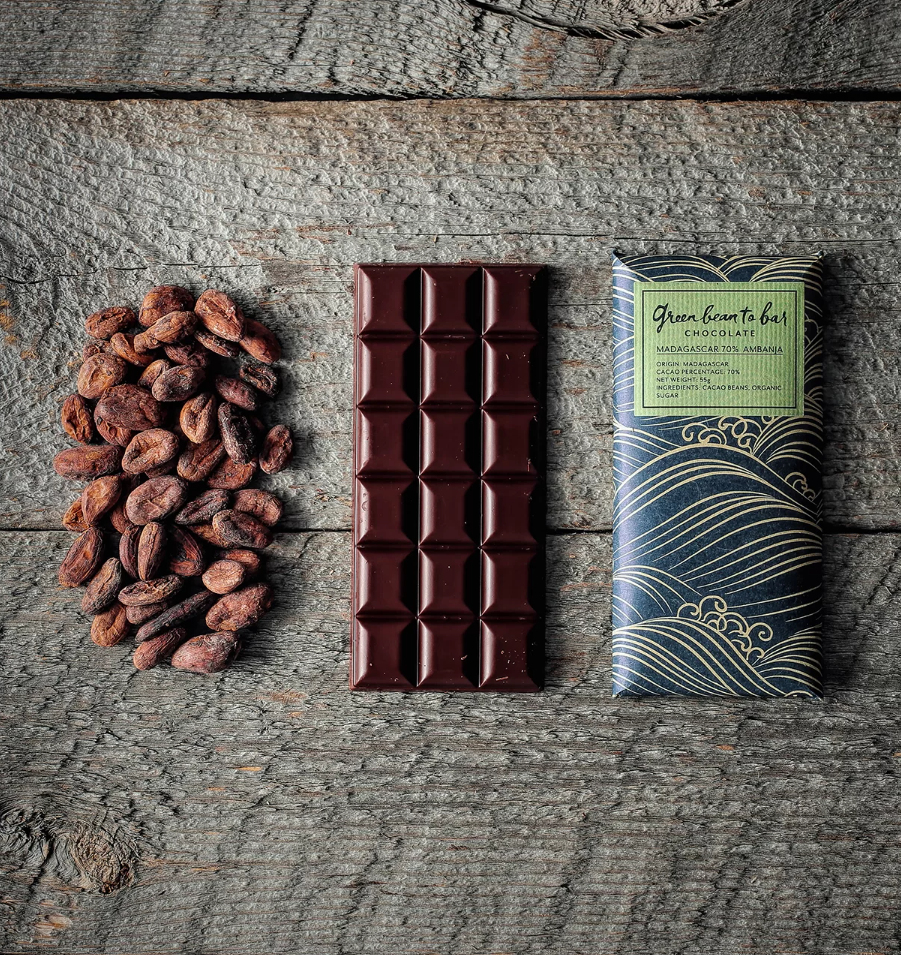
| Madagascar | Bright, red fruit notes (cherry, raspberry), floral aroma | High | Low | Raspberry & Pink Peppercorn, Lychee & Rosewater, Blood Orange |
| Peru | Nutty, caramel, and dried fruit (raisin, fig) with a subtle spice | Medium | Medium-Low | Quinoa & Maple, Pecan & Coffee, Lucuma Fruit |
| Vietnam | Roasted, woody, and earthy with hints of spice and cocoa | Low | High | Star Anise & Black Sesame, Smoked Paprika & Chili, Vietnamese Cinnamon |
| Ecuador (Nacional) | Floral, banana, and nutty notes with a complex aroma | Medium | Medium | Passion Fruit & Coconut, Plantain & Brown Butter, Toasted Almond |
| Dominican Republic | Classic cocoa flavor, with hints of vanilla and brown sugar | Medium-Low | Medium | Sea Salt Caramel, Hazelnut & Coffee, Date & Orange Blossom |
| Indonesia | Earthy, woody, and tobacco notes with a full body | Low | High | Cardamom & Ginger, Black Tea & Tonka Bean, Palm Sugar |
Illustrative comparison based on the article research brief. Verify current pricing, limits, and product details in the official docs before relying on it.
AI and Sustainable Cocoa Farming
Sustainability is a fundamental requirement in the chocolate industry. Consumers demand ethically sourced and environmentally responsible chocolate, and AI plays a crucial role. From improving farming practices to ensuring traceability, AI helps build a more sustainable cocoa supply chain.
One key application is AI-powered image recognition. This technology can be used to detect diseases in cacao trees early on, allowing farmers to take preventative measures and reduce crop losses. It can also optimize irrigation, ensuring that trees receive the right amount of water at the right time. Furthermore, AI can monitor deforestation, helping to protect vital rainforest ecosystems.
Blockchain technology, often used in conjunction with AI, adds another layer of transparency and accountability. It allows consumers to trace the journey of their chocolate from bean to bar, verifying that it was sourced ethically and sustainably. This builds trust and empowers consumers to make informed choices.
This isn’t just about improving flavor or reducing costs; it’s about ensuring the long-term viability of the cocoa industry and protecting the livelihoods of farmers. It’s about responsible production, and AI is a powerful tool in achieving that goal.”, 2026 chocolate trends will be driven by sustainability.
New Chocolate Formats: Beyond the Bar
The traditional chocolate bar is still popular, but innovation is pushing the boundaries of what chocolate can be. AI and new manufacturing techniques are enabling a whole new range of chocolate formats, offering unique sensory experiences and functional benefits.
3D-printed chocolate is one exciting development. This allows for the creation of intricate designs and personalized shapes, opening up possibilities for bespoke chocolate creations. Callebaut’s research highlights the growing demand for unique and visually appealing chocolate products. We’re also seeing the emergence of personalized chocolate "shots" – small, concentrated doses of chocolate with added functional ingredients like vitamins or adaptogens.
The concept of edible packaging is also gaining traction. Imagine a chocolate shell that completely encapsulates a product, eliminating the need for traditional packaging and providing an extra treat for the consumer. It's a sustainable and innovative solution.
These new formats aren't just about aesthetics; they’re also about functionality. Chocolate is increasingly being positioned as a wellness product, with added ingredients that offer health benefits. AI can help optimize these formulations, ensuring that they deliver both great taste and desired effects.
Challenges and the Future of AI Chocolate
Despite the immense potential of AI in the chocolate industry, there are challenges to overcome. One major concern is data privacy. As companies collect more data on consumer preferences, it’s crucial to ensure that this data is protected and used responsibly. The cost of implementing AI technology can also be a barrier for smaller producers. It requires significant investment in hardware, software, and skilled personnel.
Perhaps the biggest challenge is the need for a workforce with the skills to operate and maintain these new technologies. Training and education are essential to ensure that chocolatiers and other industry professionals can effectively leverage the power of AI. It's not about replacing human expertise, but about augmenting it with new tools and capabilities.
I’m not sure if AI will fundamentally change the taste of chocolate, but it will definitely change how it’s made. It has the potential to democratize chocolate making, allowing smaller producers to compete with larger companies by leveraging data-driven insights and efficient production processes. It could also lead to a more diverse and innovative chocolate landscape.
The future of chocolate is likely to be a hybrid one – a blend of traditional craftsmanship and cutting-edge technology. AI will empower chocolatiers to create more consistent, flavorful, and sustainable chocolate experiences, while preserving the artistry and passion that have defined this beloved treat for centuries. The possibilities are truly exciting.
From oven to elegance. Our Forest Fudge cake starts with a rich chocolate sponge baked slowly to keep it soft, moist and full of deep cocoa flavor. Once cooled, the layers are filled and coated with smooth fudge cream, giving it that creamy chocolate taste in every bite. We then… pic.twitter.com/GZpDU2zEuK
— J.P.Dîgóh (@johnpeterdigo) March 10, 2026


No comments yet. Be the first to share your thoughts!